

CONFIRMING BEST PRACTICE
Dr. John Kelly suggests that understanding how dopamine, serotonin and acetylcholine work as neurotransmitters reinforces what many regard as best practice in the classroom.
Great teaching in the light of neuroscience
Good teaching has always been grounded in relationships, challenge, and purposeful learning. Neuroscience is now explaining why effective classroom practice works. When students think, recall and practise, neurons communicate through chemical messengers called neurotransmitters. Of these. dopamine, serotonin and acetylcholine are especially relevant because they support motivation, emotional security and attention, and it’s worth understanding how they work.
“Great teaching is great because it aligns with how the brain naturally learns.”
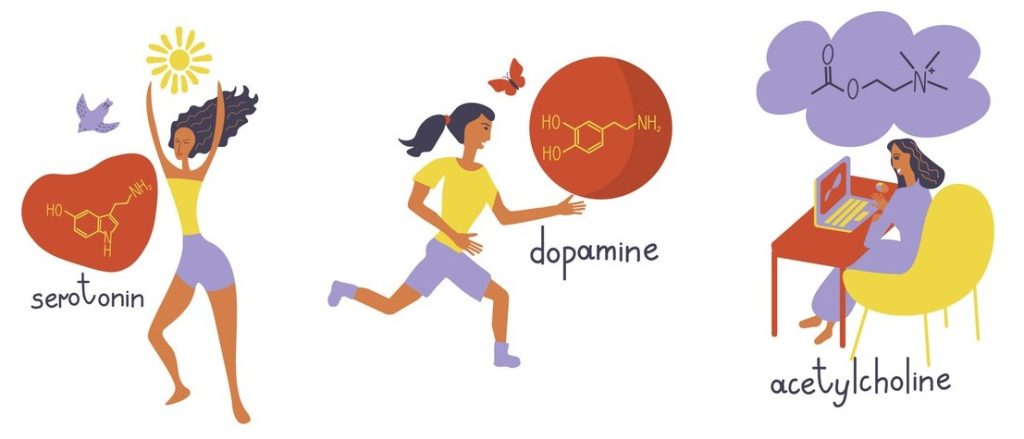
Dopamine, perceived progress and motivation
Students are motivated when they believe their effort is moving them toward something worthwhile. Dopamine supports curiosity, persistence and anticipation of success. It helps learners recognise progress and keep moving toward goals they personally value. So, what releases dopamine in a learner’s brain? Amongst other things:
- Setting challenging but achievable goals
- Breaking learning into manageable steps
- Providing regular, specific feedback
- Celebrating improvement as well as achievement
This explains why effective teachers calibrate challenge with what a student is able and willing to do. Work that is too easy produces boredom; work that feels impossible creates frustration. The sweet spot is where success feels achievable but must be earned by effort. Clear goals, manageable steps, and specific feedback all help students experience progress.

Social media competes for student motivation. Personalised algorithms provide instant, short-term dopamine rewards that can work against the sustained motivation required for deep learning. Teaching is effective when you not only understand how to motivate students’ learning but also what is competing against you.
Serotonin and the need for psychological safety
Serotonin contributes to mood regulation, confidence and social belonging. Negative influences lower serotonin and inhibit focus, information processing and memory retrieval. Healthy serotonin activity supports emotional stability, allowing learners to devote more cognitive resources to learning. The kind of environment that releases serotonin in a learner’s brain involves
- Building positive relationships
- Establishing predictable routines
- Encouraging mistakes as part of learning
- Creating an inclusive classroom culture.
Teachers cannot control every influence on a student’s wellbeing, but they can shape the emotional conditions in which learning takes place. For instance, students who fear embarrassment or fear failure may avoid participation. Those who feel valued and safe are more likely to ask questions, attempt challenging tasks and persist through mistakes. Psychological safety supports risk-taking in learning.
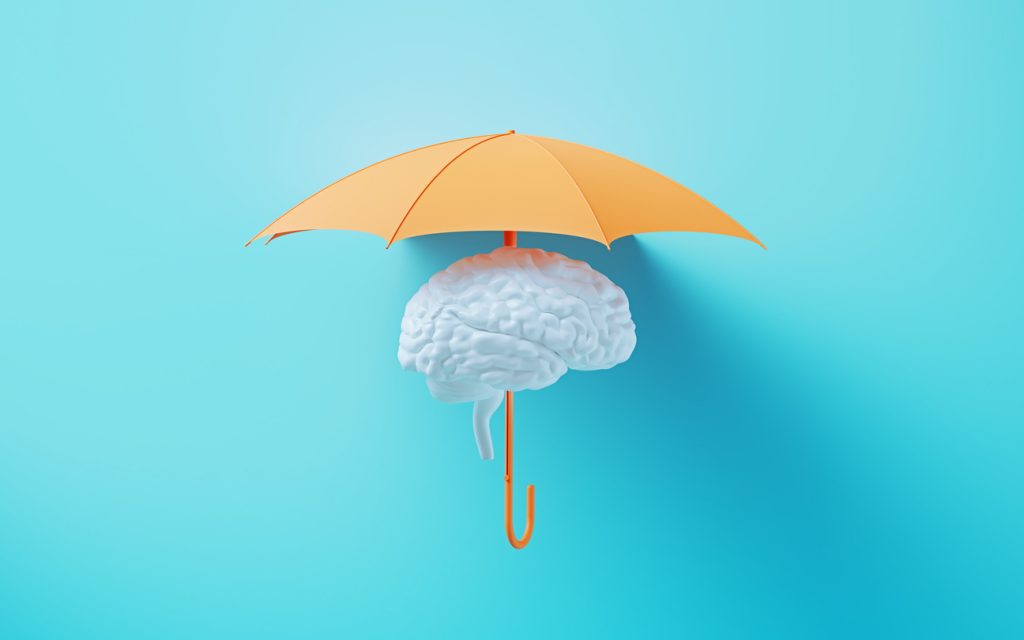
Social media can destabilise confidence, mood and belonging. A school can become a safe environment – a protective ‘dome’ for the brain – where students experience psychological security. I have worked with principals in the most troubled communities in Northern Ireland where schools provide such an ‘oasis’ of serotonin for students and parents.
Acetylcholine: attention is the gateway to learning
Acetylcholine plays a key role in focusing attention and strengthening memory formation. Students cannot recall information they have not truly attended to. Every time they concentrate to retrieve or apply previous learning, they strengthen memory and make future recall more efficient.
Releasing acetylcholine in the learner’s brain involves:
- Reducing distractions
- Highlighting key learning
- Limiting content to cognitive capacity
- Using retrieval practice
- Varying activities
- Providing opportunities for discussion and reflection.

Digital technology can be a real challenge to acetylcholine release, inviting bite-sized attention and reliance on ‘external’ memory.
Teachers can protect attention by reducing distractions, highlighting essential content, limiting cognitive overload and using retrieval practice, discussion and reflection.
The teacher’s brain
“The same brain chemistry that helps students learn also helps teachers teach.”
These neurotransmitters matter for teachers because they shape our own motivation, resilience and cognitive focus. Great teaching requires sustained attention, rapid decision-making, emotional regulation and perseverance. Dopamine is released when a lesson succeeds, students make progress or professional effort is recognised. Serotonin is sustained through positive relationships, a supportive school culture and sympathetic leadership. Acetylcholine supports the concentration teachers need for planning, explaining complex ideas, and responsive classroom decision-making.
Implications for teaching
Neuroscience is therefore confirming what great teachers already know. But this in itself is worth knowing!
- Effective classrooms balance challenge with support
- Promote curiosity without overwhelming students
- Build trusting relationships and encourage deep thinking
- Effective teachers also maintain their high standards by looking after the chemical environment in their own brains
Promote motivation through dopamine release
- Build success into every lesson for every student
- Celebrate improvement as well as achievement
Generate serotonin for wellbeing
- Create classrooms where mistakes are anticipated and valued
- Give feedback that moves learning forward
Improve attention with acetylcholine
- Remember that attention is limited: teach less, but teach it deeply
- Use retrieval practice frequently
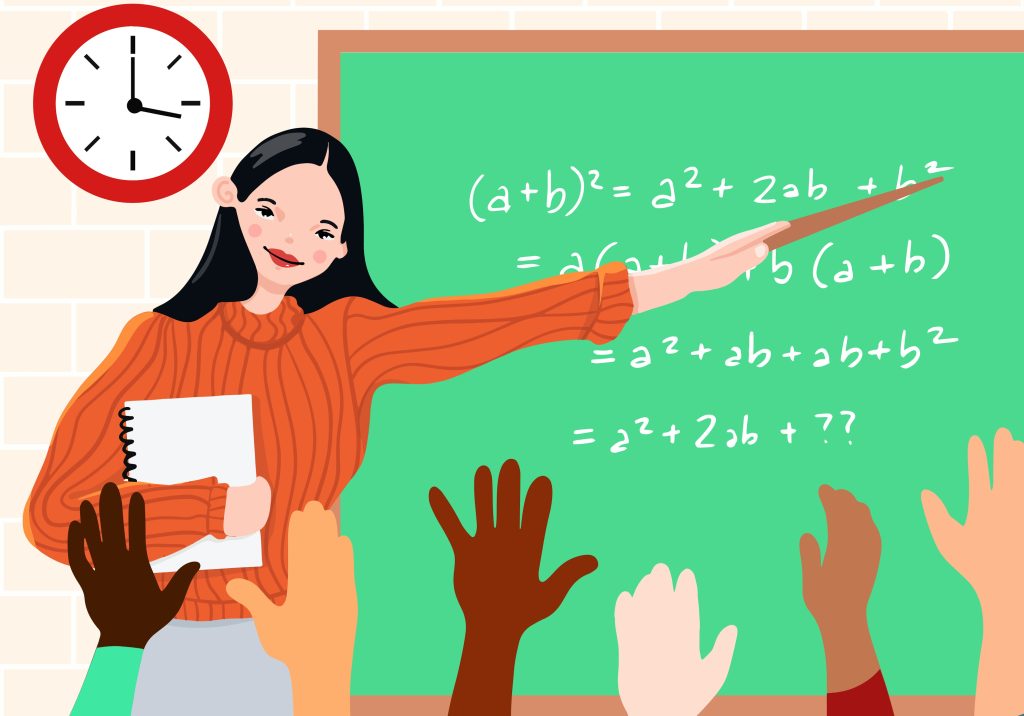
Professional implications
And for ourselves? Neuroscience unsurprisingly, perhaps, but really importantly suggests that as teachers we should:
- Celebrate one success every day
- Set realistic professional goals
- Build supportive professional relationships
- Take genuine breaks during the day
- Ask for help when workload becomes excessive
- Protect planning time
- Minimise unnecessary multitasking
- Complete cognitively demanding work during peak concentration periods
- Manage social media well

Dr John Kelly is the director of Fingerprint Learning, an educational, business and health consultancy and educational training service in Northern Ireland
For more information about his work, see: www.fingerprintlearning.com
To purchase John’s book – click on the image to link to Amazon
References
Dweck, C. S. (2006). Mindset: The New Psychology of Success. Random House.
Immordino-Yang, M. H. (2016). Emotions, Learning, and the Brain. W. W. Norton.
Roediger, H. L., & Karpicke, J. D. (2006). Test-enhanced learning. Psychological Science, 17(3), 249–255.
Rosenshine, B. (2012). Principles of Instruction. American Educator, 36(1), 12–39.
Schultz, W. (2016). Dopamine reward prediction-error signalling. Nature Reviews Neuroscience, 17(3), 183–195.
FEATURE IMAGE: by Vitaly Gariev on Unsplash
Support Images: by Margaryta Starchenko on iStock, Pablo DR For Unsplash+, MicroStockHub on iStock, Yovita Frederica Widjaja For Unsplash+ & Viyanca For Unsplash+
