EDUFEST: IT LOOKS LIKE LEARNING
In his ongoing series about teaching lives, David Porritt talks to Kim Kovacevic – Deputy Director General and Director of Edufest at Le Rosey Institute, Switzerland.
First meeting
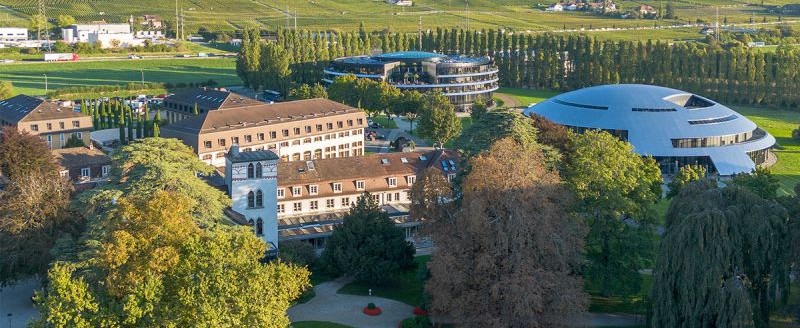
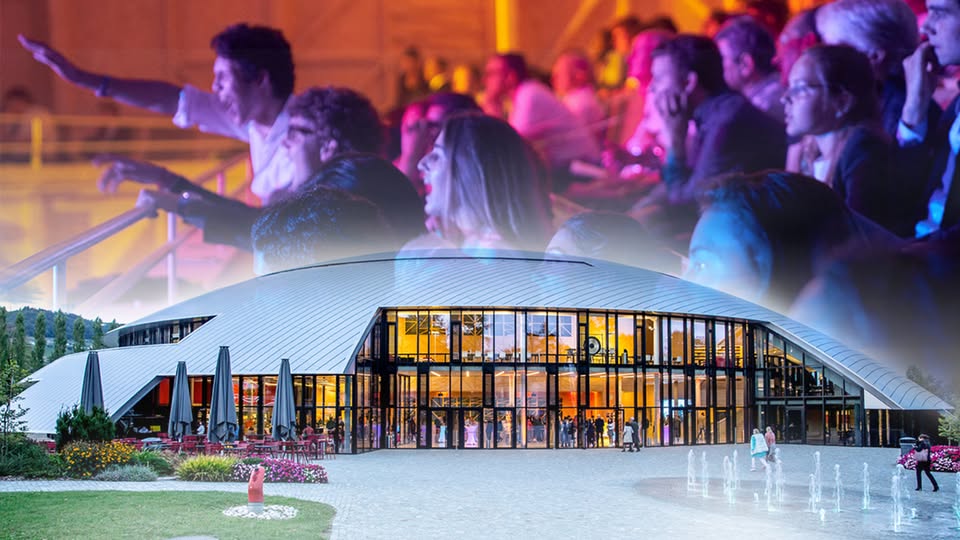
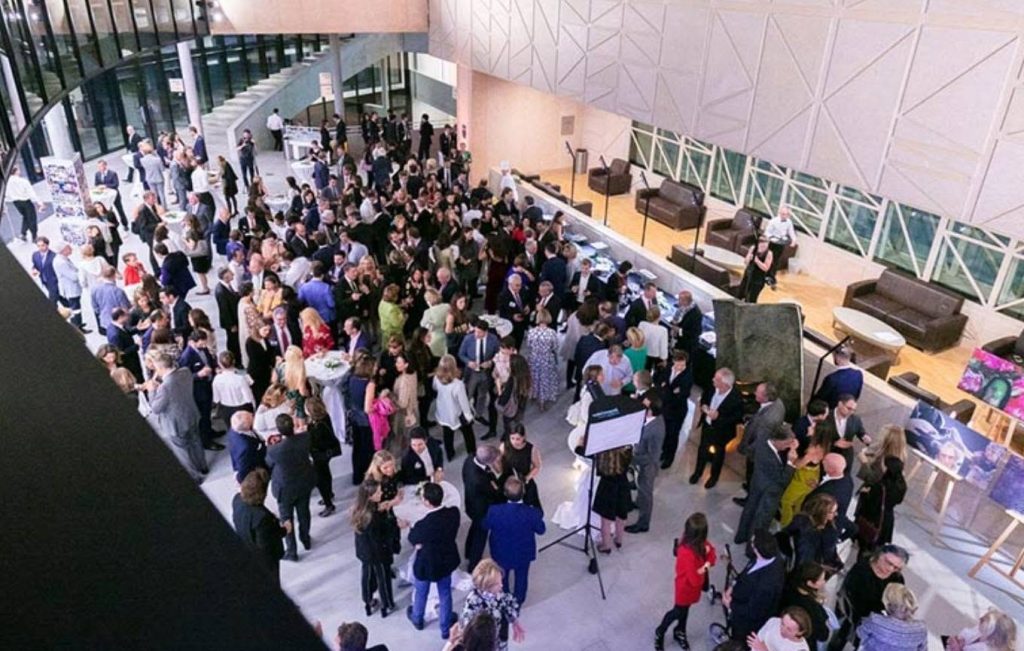
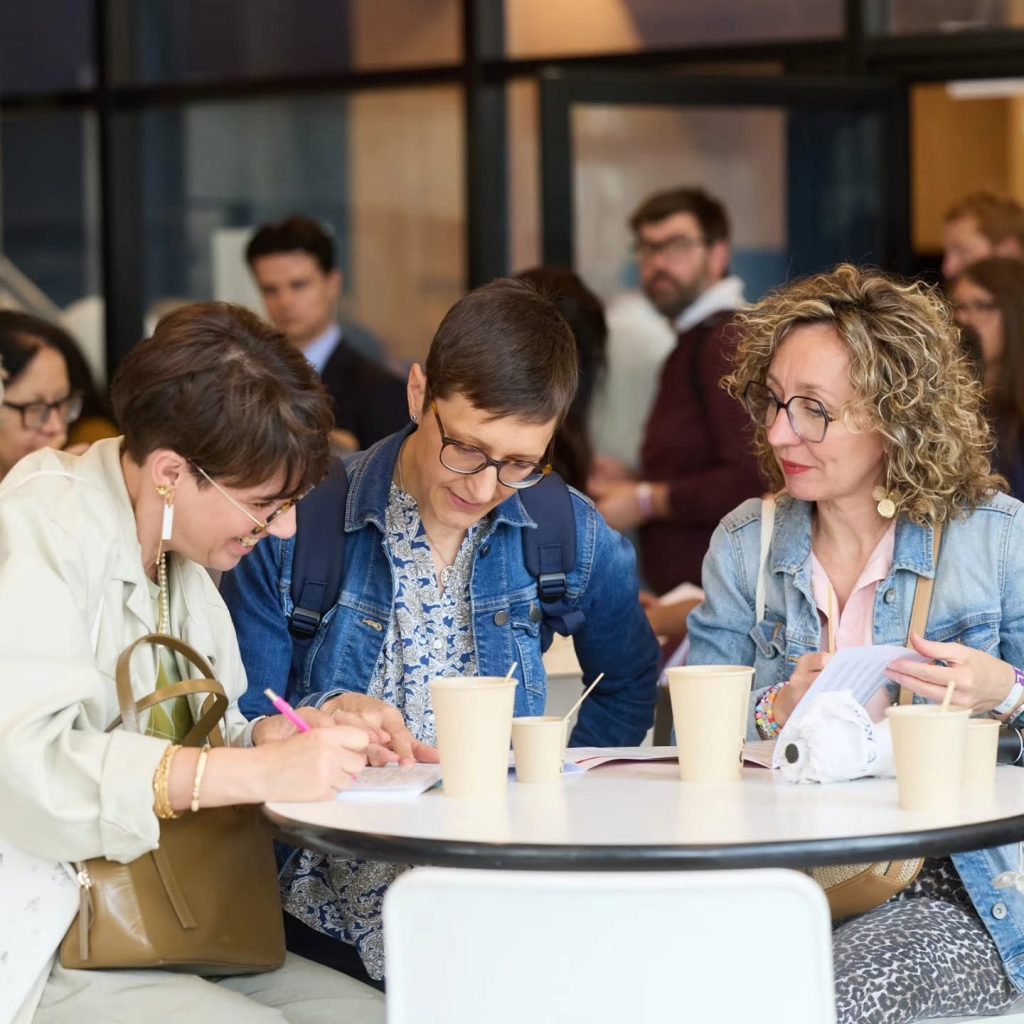
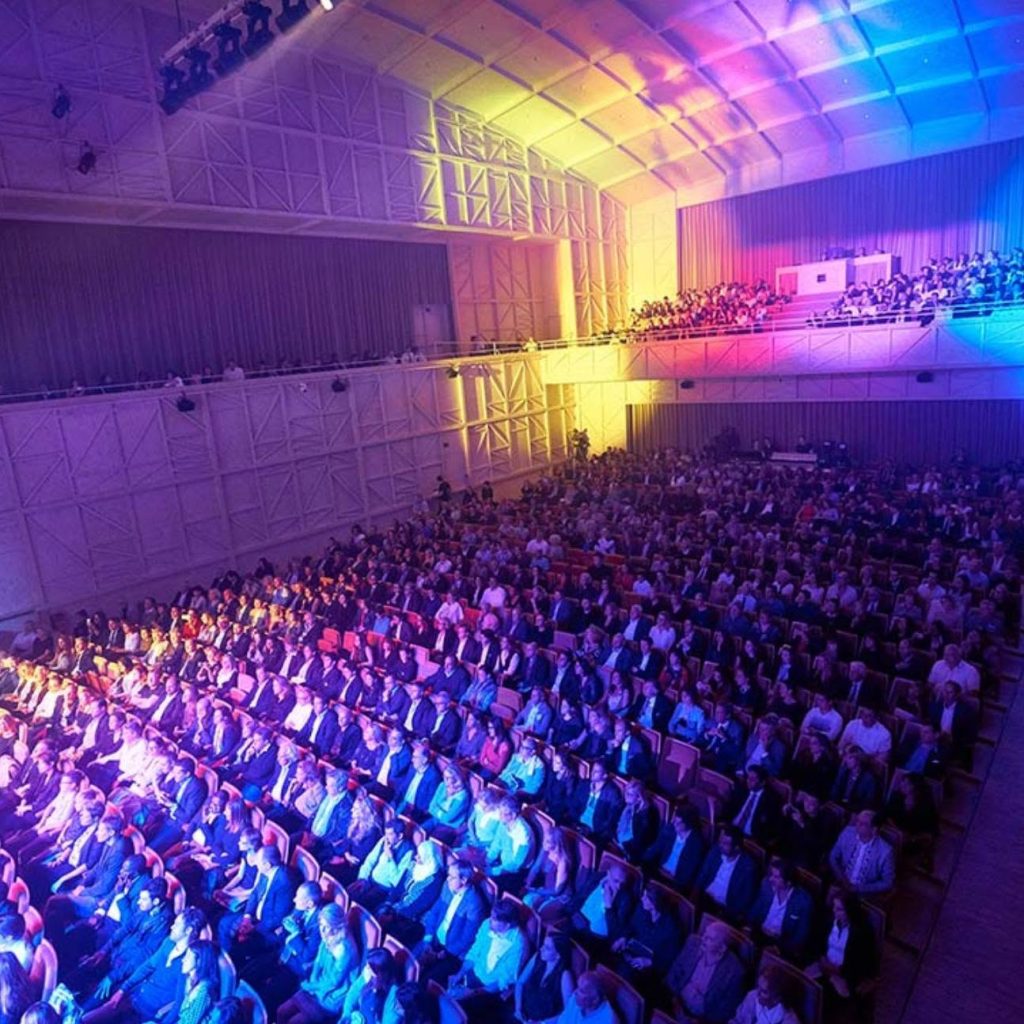
When I first met Kim Kovacevic, Deputy Director of Institut Le Rosey in Switzerland, I was speaking at a conference about coaching. Kim handed me a card and suggested I might like to come to something called EduFest. I remember wondering what, exactly, EduFest was. A few years later, I had my answer. Almost 1,000 people were on the Le Rosey campus for the 2026 edition: teachers, school leaders, students and speakers moving between sessions, talking over coffee, eating outside, listening to music and exchanging ideas. I was there to speak about leadership, with more than 90 people joining my session, but I was every bit as much a participant, listening to other speakers and joining the conversations around me. What stayed with me was the charge of the place: the movement, the laughter, the conversations spilling out between sessions, the sense that people were not simply attending an event but becoming part of it. I met Kim at a conference. What he was inviting me to was his attempt to create something quite different.
How EduFest started
The story begins with a student. Around 2011, a new arrival at Le Rosey, having previously helped organise a TEDx event, asked whether she might do something similar. The answer was yes. Kim became involved, loved it, and Le Rosey went on to host five TEDx events. Then, around 2014 or 2015, Kim attended the Festival of Education at Wellington College and found himself asking why Le Rosey could not create something equally ambitious. He took the idea back to the school’s leadership. They backed him. The first EduFest took place in 2019, attracting around 250 external visitors. Covid interrupted the planned rhythm, but by 2024 the event had real momentum, there was a partnership with UNICEF and growing interest beyond Switzerland. By 2026, people were asking to come. Schools wanted tickets. Speakers wanted to participate. “It was born small and it grew quickly,” Kim says.
Conference or festival?
Yet scale is not what interests him most. He is more interested in the difference between a conference and a festival. “We’ve all been to conferences,” he says. “I just want this to be different.” There is music. Lunch is outside. But none of that quite explains the difference. Kim calls it a “buzz”. People arrive not knowing one another and soon they are talking, laughing, sharing coffee and making connections. “There’s some magic that occurs.” And Kim is unapologetic: “I want people to have fun.” Education can have a curious tendency to equate seriousness with solemnity, as though worthwhile professional learning ought to feel worthy rather than joyful. EduFest rejects that idea. Fun and learning are not opposites here; one gives energy to the other.
Student involvement
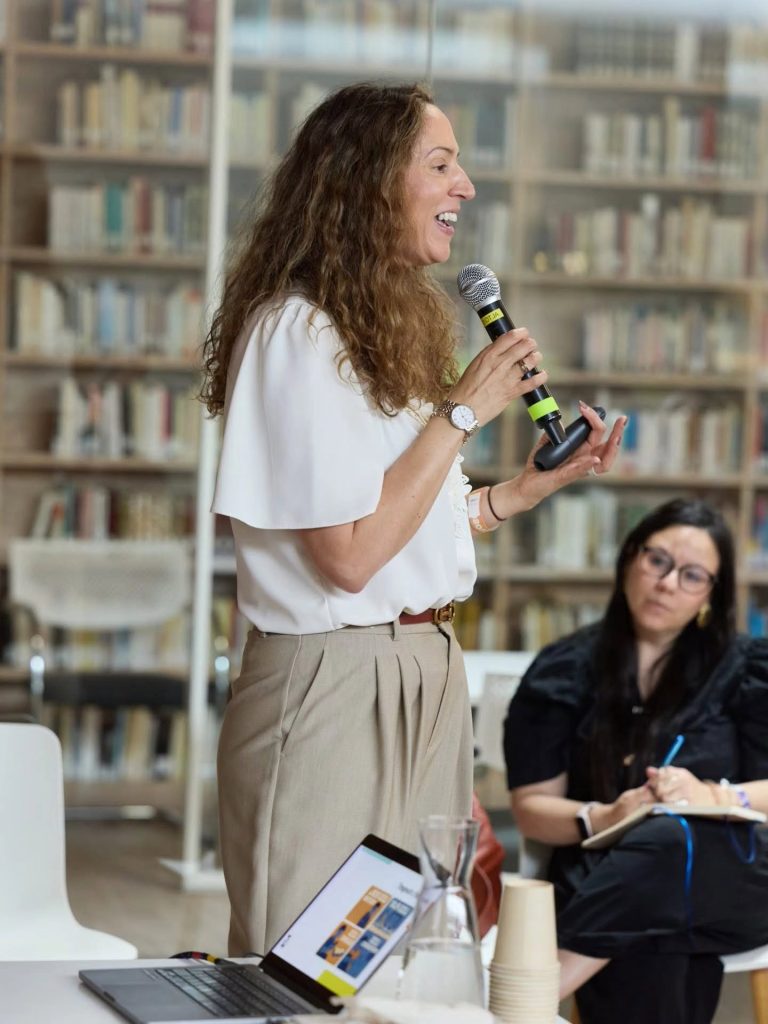
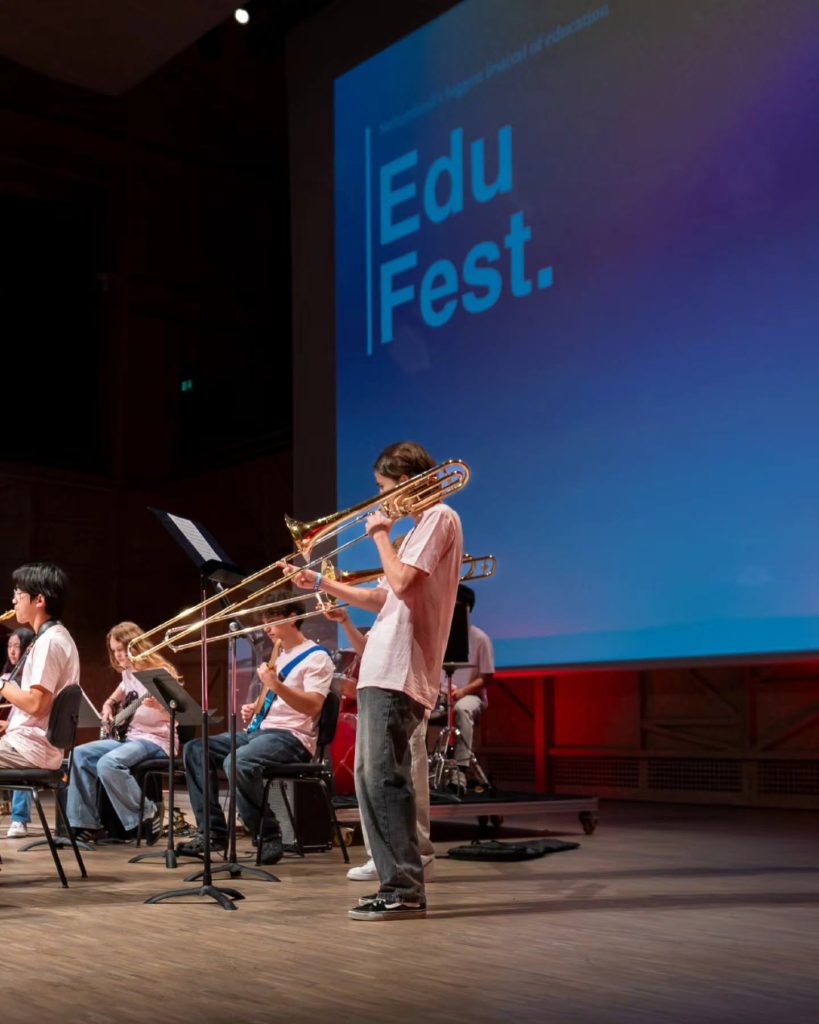
Perhaps the clearest example is the students. Before the first festival, there was a discussion about whether they should have the day off while the adults occupied the school. The conclusion came quickly. “Absolutely not. This is their school.” Students attend sessions, ask questions, welcome guests and increasingly present. When Kim calls for ambassadors, he says they are almost “kicking down the door” to volunteer. “It’s become part of school culture now.” Their presence changes the conversation too. There is something different about adults discussing education when 14-year-olds are in the room. And trust means accepting imperfection. “Are all student presentations as polished as they could be? No,” Kim says. “But it’s a school, right?” Learning is allowed to look like learning.
Having faith
Trust is the thread running through the whole story. A student was trusted with an idea. Kim was trusted to develop his own. Students are trusted to participate. Speakers are trusted to bring something worthwhile. Colleagues are trusted to make the day work. As the festival has grown, Kim has had to learn perhaps the hardest form of trust for any leader: resisting the urge to control everything because the stakes are higher. “You can’t do everything,” he says. “Trust people. Trust the process.” Then he adds something subtler: “Have faith that people are doing it for the right reason.” Trust is partly about competence. Faith is about motive. It is believing that people care about what the whole thing is for. That is where community enters the story: people are not merely in the same place, but contributing to something shared.
Serious learning without solemnity
The learning does not stop when the festival does. Kim connects EduFest with the professional priorities of the school. Sessions have fed into work around assessment, positive discipline, character education and artificial intelligence. “It begins conversations or strengthens the direction of the school.” For 2028, Kim is considering longer “deep dive” sessions and a stronger celebration of human creativity: music, dance, art and writing as a joyful counterpoint to an increasingly AI-rich world.
It seems entirely in keeping with EduFest. Serious learning without solemnity. Leadership without the need to own everything. A school confident enough to keep its students in the room. A community built on trust, enjoyment and faith in people. “The day to day can be a grind sometimes,” Kim says. “But my word, we work in the best industry in the world.” I first met Kim at a conference and left carrying a card for something called EduFest. I understand the distinction now. The best professional learning does more than fill a programme. It creates a charge between people. For a day, EduFest reminds them what learning together can feel like.

David Porritt is Director of Coaching and CMI Centre Director at Karen Ardley Associates (KAA), a CMI Fully Approved Centre offering recognised qualifications in leadership, management and coaching. He writes regularly for International Teacher Magazine on leadership, coaching and the lives of educators.
Feature & Support Images with kind permission from Le Rosey Institute, Switzerland.