
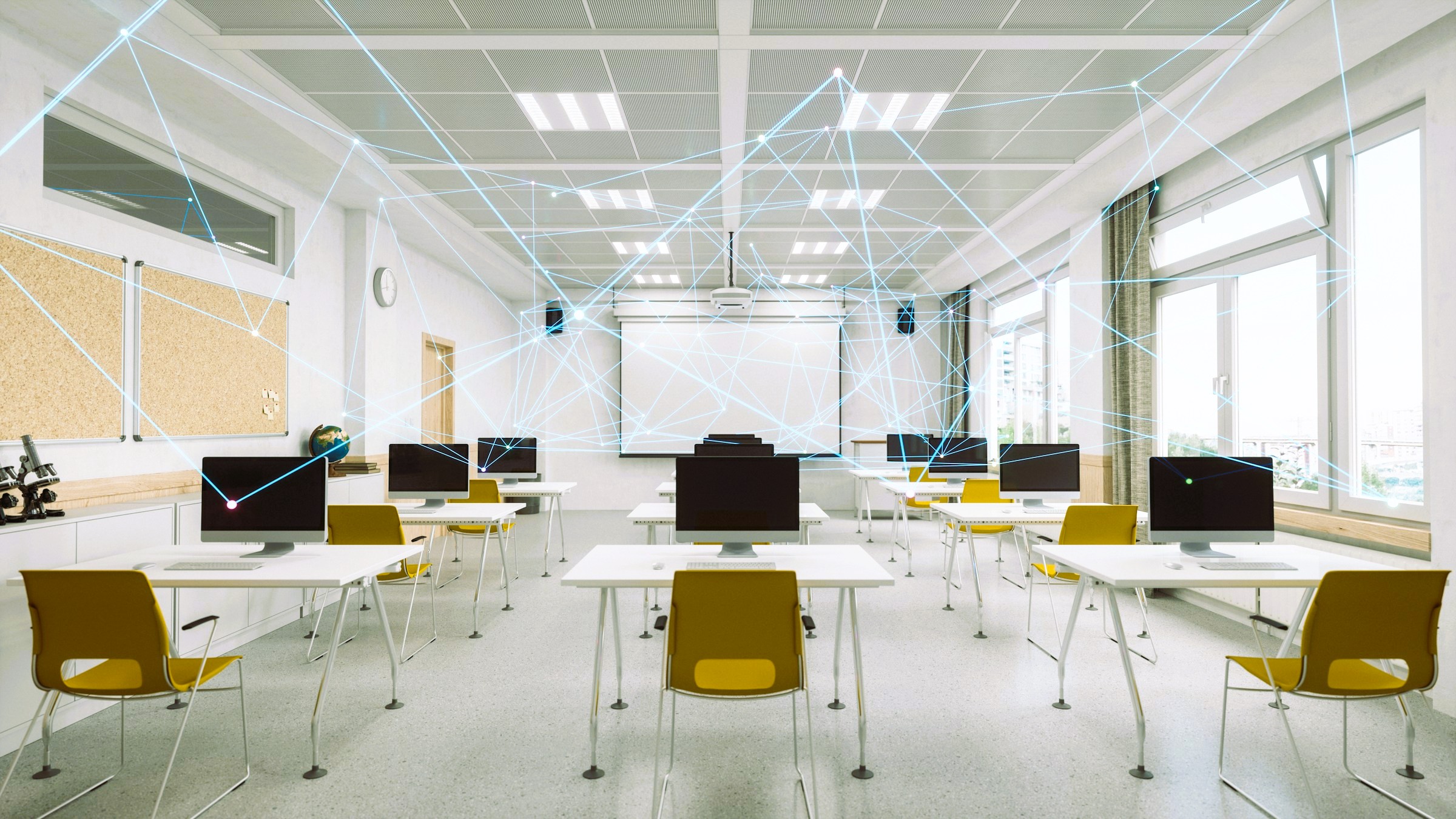
FROM PAPER TO SCREEN
As the International Baccalaureate Organisation starts to pilot online assessment for the Diploma, Sidhi Baweja looks at the implications of ‘going digital’ for formative assessment.
Asking the right question
Most conversations about digital assessment start with the technology involved. Can students find their way around an on-screen paper? Is marking faster? What happens if the Wi-Fi drops halfway through? Fair questions, all of them. They also miss where the real work sits, which is almost always away from the screen, and which takes time to get right.
The International Baccalaureate’s ambition to offer digital examinations in the Diploma and Career-related Programmes shows this well. The pilot has started but a full suite of digital assessment will be phased in over a number of years. Digital and paper will sit alongside each other through the transition, subject group by subject group. In the context of ensuring fairness and equality of assessment opportunity this is inevitable. Matthew Glanville, Director of Assessment at the IBO shows how important this is:
“We’re supporting schools by running paper and digital exams in parallel — helping everyone build confidence in the logistics and teaching approaches. Ensuring fairness and comparability is our top priority.”
And for any school, adopting a digital format for high-stakes summative assessment such as the Diploma is a big step. But if this is going to be of benefit to a school community, perhaps an even bigger question is how to prepare students for a digital exam-hall experience with the right kind of digital formative assessment. It seems obvious to say, but success in one will depend on experience in the other.


The experience of digital assessment
A digital exam can look reassuringly familiar. Same questions, same subject content. The experience, however, is qualitatively different from traditional assessment: a student now has to move between questions, use on-screen tools, watch the time on a screen rather than a wall clock, and make sure they ‘submit’ properly. All of that sits on top of the thinking the exam is meant to measure. For someone who has spent five years writing long answers by hand, it is an extra load at the worst possible moment.
Which is why the sample digital papers the IB has released matter a great deal. Familiarity has to be built over months. It cannot be briefed in the ten minutes before the exam starts.
The teacher’s job shifts too . . .
Digital assessment does not only change the exam hall. As live summative assessment goes online, the process of what teachers do on either side of the final exam also, inevitably, changes.
Question design, the way material is presented on a screen, and the way feedback finds its way back into lessons all need rethinking. Teachers also have to judge something genuinely new. When a result comes in lower than expected, was that a deficit in a student’s subject knowledge, the skills being assessed or in the software being used to conduct the assessment?
That question matters because the target has not moved. An exam for the IB Diploma is still looking for evidence of analysis, argument and problem-solving. The technology is doing its job only when it stays out of the way of that evidence.
The work that nobody sees
For a school’s exam officer, digitization is mostly an operational project. Devices tested and charged. Rooms prepared. Access arrangements confirmed inside the system, not just on paper. Staff who have rehearsed what to do when a laptop dies, when the network drops, when a student is halfway through and something goes wrong.
None of it is glamorous. All of it decides whether exam day feels calm or chaotic.
At Ecolint, the International School of Geneva, preparation for final digital exams has had less to do with hardware and more with simulated mock exams so that by exam day the format is the least surprising thing in the room. Their readiness list includes: devices, platform setup, invigilation, and, perhaps most importantly, time and opportunity for student practice. It is the need for exam practice that schools tend to underestimate, and for this, the quality of the preparation is all-important.
Digital is not automatically better, but . . .
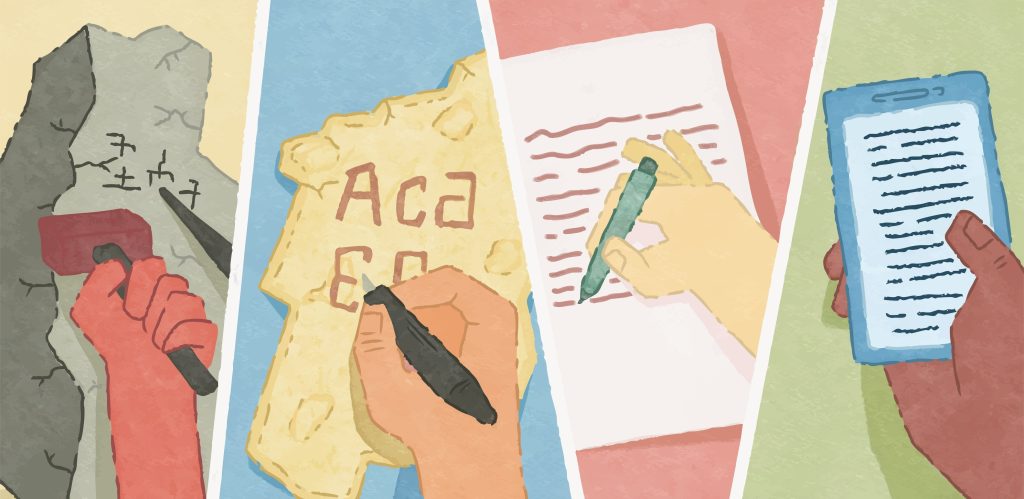
It is tempting to read digital as a synonym for ‘improved’. It is not. A badly designed on-screen exam can carry over every weakness of its paper predecessor while adding new ones!
However, done well, digital assessment opens doors to learning that traditional pen and paper exams cannot. The IB’s own MYP eAssessment is the ‘gold-standard’ here. These on-screen exams are not just digitised papers in the conventional sense. They are built to test conceptual understanding and the use of knowledge in unfamiliar situations, which is harder for a printed script to prompt.
The principle involved here is one that Steffen Sommer and John Taylor have each argued in ITM from different directions. Technology and format should follow the purpose of the assessment, not lead it. Taylor’s case for the Extended Project Qualification makes that argument about format, by leaving the written exam behind altogether. The IB’s digital move makes a narrower version of the same case, about medium rather than format. The discipline behind both is identical.
The transition that matters is cultural
Strip out the software and the journey from paper to screen is not a technology project. It is a change in practice reflected in a changing culture. It asks students to build new familiarity, teachers to build new confidence, and leaders to construct a process sturdy enough to survive an ordinary bad day.
So, the question for a school weighing up a move in the direction of digital assessment is not whether or not it is ready to put its exams online. It is whether its people, its processes and its classrooms are ready for assessment to work differently, in the interests of better learning.
Get that right, and the screen turns out to be the easy part.

Sidhi Baweja is Marketing Lead at AssessPrep, an assessment platform used by schools in more than 85 countries.
FEATURE IMAGE: by Getty Images For Unsplash+
Support Images: by Natalia Smuriakova on iStock & HJ Project For Unsplash+
FURTHER READING: from whichschooladvisor.com
Time for Change? A Closer Look at the Pros and Cons of GCSE, A Level & IB Exams
By Carli Allan
First Published: Thursday 26 June, 2025
