

WATER FINDS ITS OWN LEVEL
Effective curriculum and assessment development takes time and the best is thoughtfully scheduled and structured. There is a growing sense, however, that we are just not keeping up with the needs of a changing world. We are caught in the headlights of innovation, which then disappears over the horizon before we have had a chance to assess its significance for what we need to teach.
If our prime aim is to provide a curriculum and develop pedagogies that meet the needs of learners, how can we possibly hope to keep up? By the time this or that newly-significant subject matter has been incorporated into a coherent programme of study, the fear is that it may simply not be relevant.
John Taylor, in an important article this month, also worries about the loss of a love of learning as assessment veers to the mechanical within a meaningless matrix of rote-learning and accountability. When experiencing the matrix, students just disengage. And yet, does Taylor’s insight indicate a way forward, not only to restore the ‘lost love of learning’ but also to restore our own faith in what we are teaching?
Water finds its own level, and so will our students. The point is they must enjoy what they are doing at school, and learning is what they will enjoy most. How does this happen? As it always has in good schools. They must be given a variety of things to try out. They need to build the ability to express themselves in terms of number and language, learn different ways of thinking and develop the confidence that comes when someone ‘catches them doing it right’. They need to know what it is like to master and apply techniques that are new to them. It is this feeling that will equip them for the future rather than the latest content being rushed into the curriculum.
If they can take this feeling into their futures, like water, they will find their own level. They will know what they want to do, identify the right questions to ask and come up with solutions to the singular problems that they will experience as adults. If we help them to discover this feeling, and thereby their own love of learning, we have done our job and they will have what they need as they become the decision-makers of the future. We just have to trust them.
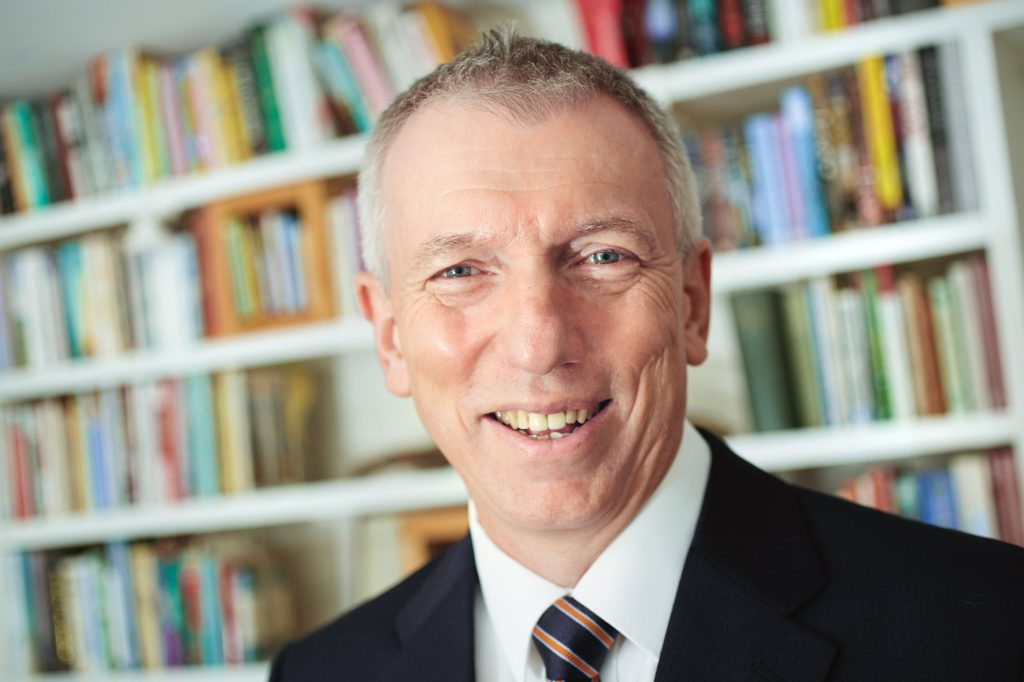
Andy Homden is Editor of International Teacher Magazine and the CEO of international education consultants, Consilium Education.
FEATURE IMAGE: by Niklas Jonasson on Unsplash
