
INSTILLING A GROWTH MINDSET
Allistair Williamson looks at how the explicit cultivation of Carol Dweck’s idea of ‘growth mindset’ has had a profound impact on both learning and wellbeing at his school.
At Guildford High School, where both excellence and achievement are regularly celebrated, it might be easy to assume that the any formula for success we might have, has been mastered. Of course, it never is and beneath the surface of our assessment results is the secret of how we continaully work to unlock even greater pupil potential and progress by explicitly using the ideas of Carol Dweck. The deliberate nurturing of her concept of growth mindset across our whole school community, encompassing both the pupils and staff, not only elevates individual growth, but also supports a school culture that fosters resilience, curiosity and a relentless pursuit of knowledge.
Understanding and using a growth mindset
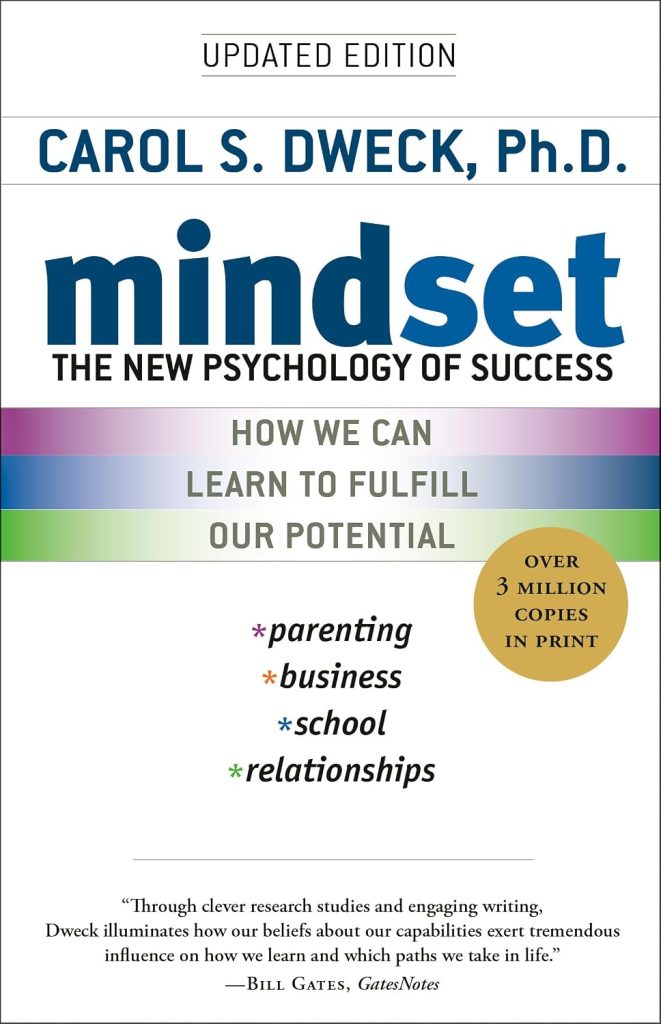
Dweck’s ideas, most famously described in her 2006 publication Mindset, The New Psychology of Success suggest that abilities, intelligence and talents are not fixed traits but can be developed through effort, perseverance, and dedication. This approach has become an everyday reality for the way we plan and teach at GHS. We are also acutely aware of the dangers of the ‘fixed mindset’ also described by Dweck – that negative state of mind that assumes that one’s capabilities are set in stone, leading to a fear of failure and an aversion to challenge.
Fostering a growth mindset from the outset of every pupil’s educational journey with us, enables them to embrace the importance of mistake making as part of the learning process. This approach is backed by compelling evidence: pupils who believe their abilities can be developed perform significantly better in school, with international studies showing a growth mindset is associated with up to a year’s worth of additional academic progress (OECD, 2019).
At GHS, this process starts in Reception (KG2) and threads right through the school to our oldest students in the Upper Sixth (G12). Teachers work hard to develop a feeling of collective safety in lessons, allowing pupils of all ages to take risks. Deliberate teaching strategies draw out pupil understanding and the school’s idea of ‘Marvellous Mistake Making’ celebrates the learning that comes from getting something wrong and figuring out alternatives.
The power of transforming mindset
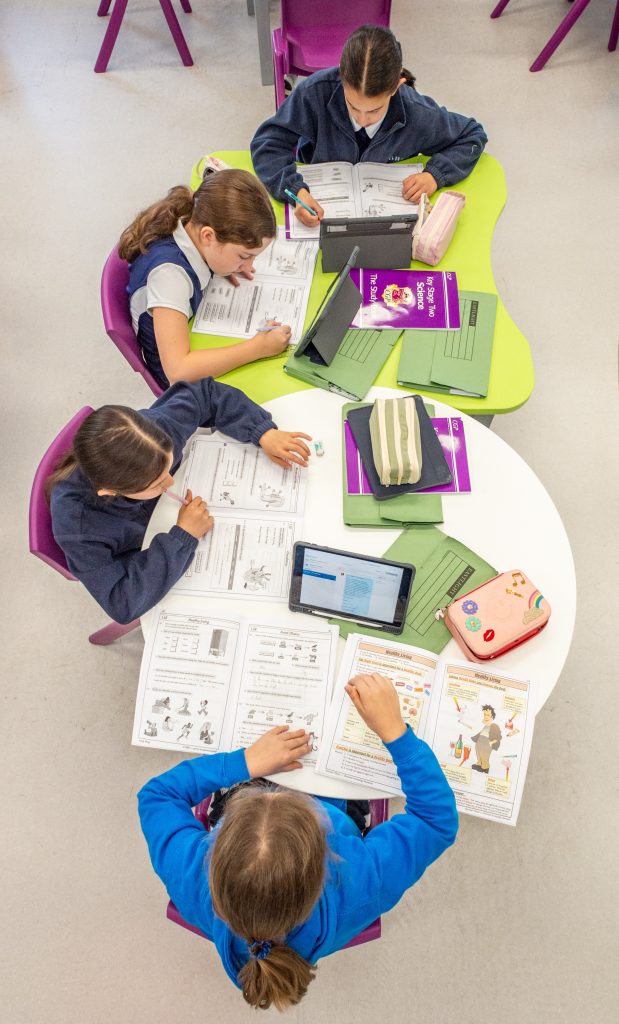
Having a growth mindset culture is woven through every facet of school life, which we think fosters benefits that extend far beyond the classroom. Teachers collaborate more openly, pupils take pride in their collective achievements, and parents support their children’s’ efforts with encouragement rather than pressure.
For us, fostering a growth mindset elevates our community and success is seen not just as a destination but a continuous journey, in the process redefining what it means to succeed, whereby the true measure of success lies not in perfection, but in progress.
Strategies for a growth mindset
In practice, what does this look like? Here are five techniques used all the time at GHS:
- Celebrating effort and progress (not just results)
Our staff recognise individual improvement and persistence, reinforcing the value of hard work in every lesson. Awards for effort, not just achievement, help motivate our pupils. In the junior school this is recognised through our ‘WOW Work’ (pre-prep) and ‘Outstanding Example’ (Key Stage 2) certificates, awarded during weekly celebration assemblies for personal progress and determination. Research consistently shows that focusing on effort fosters motivation and resilience – key traits linked to long-term academic and emotional wellbeing (Blackwell et al., 2007)
- Incorporating reflective practices
We encourage our pupils to reflect on their learning experience to foster self-awareness and a deeper appreciation of their own growth. Termly learning diaries and journals help them to recognise their own progress and set personal targets. Studies show that pupils who reflect and set goals show significantly higher levels of motivation and self-regulation (Education Endowment Federation, 2019).
- Shifting language and expectations
Words matter. Replacing praise like “you’re so smart” with “you really put in a lot of effort” communicates that success is within everyone’s reach. It also reduces fear of failure. Language like this has been shown to improve both engagement and perseverance in challenging tasks (Dweck, 2006)
- Reframing feedback
Our approach to verbal and written feedback focuses on constructive, actionable guidance. We celebrate effort, highlight strengths, and offer clear next steps. Comments such as “you worked really hard on this” and “here’s how to take it even further” help shift the focus from performance to growth. Neuroscience research has even shown that making and correcting mistakes enhances learning – sometimes boosting retention by up to 50% (Metcalfe, Columbia University, 2017).
- Marvellous Mistakes
We encourage pupils to ‘give it a go’, even when the task feels difficult. In the junior school, we reframe the concept of FAIL as First Attempt In Learning. Pupils learn that mastery often comes after grappling with concepts and trying multiple strategies. This isn’t just encouraging – it’s evidence-based. Pupils with a growth mindset are up to 30% less likely to experience academic anxiety and depression, thanks to their positive attitude toward challenge and failure (Yeager & Dweck, 2016).
Last word from the students
And the children become very aware of what they are doing and the effect of the approach. In the words of one Year 6 pupil:
“It means you can think from the right perspective, thinking positively about yourself and therefore enjoy the experience.”
And for another girl in Year 3:
“Ahead of assessments I feel nervous, but I think to myself, it is going to be ok, these are all the things we have learnt so I will try my best.”

Allistair Williamson is Head of the Junior School at Guildford High School in the UK
FEATURE IMAGE: by Ubaid E. Alyafizi For Unsplash+
Support Image: Kindly provided by Guildford High School
Click on the image opposite to follow the link to Amazon UK