
SUCCESS, FAILURE OR FUDGE?
Joe Human looks at the latest COP meeting in Brazil and its relevance to teachers and classrooms around the world.
What happened in Brazil?
COP 30: was it a success, a failure, a fudge, or a bit of all three? It was a success in that it did not collapse entirely when, on the last official day, it came close to it, because there was no agreement on the final text. It was rescued from total failure by running over one day.
So, what happened in overtime and why might this be important for the classroom? The sticking point was that many of the 193 participating countries plus the EU (USA was officially absent; North Korea attended) wanted reference in the final text to a ‘roadmap’ to phase out fossil fuels, the burning of which contributes 68% of greenhouse gas emissions. But this was something Saudi Arabia, Russia and other petrostates would not countenance.
The wrangling went on into the night and much of the next day. Finally, consensus was reached with UK’s Ed Miliband playing a significant part in persuading KSA representatives to accept an oblique reference to a statement made at the end of COP28 in which there had been agreement, for the first time, to ‘transition away from fossil fuels’. This was agreed so long as there was no explicit mention of fossil fuels. Thus, a fudge to prevent failure.
What was agreed?
While this was a very big, if perverse, ‘victory’ for Saudi Arabia and allies, it was terrible news for the planet – and us. Most experts say there is no chance of meeting 1.5oC of global warming above pre-industrial levels, which was the more ambitious target of the 2015 Paris COP21, and little chance of meeting the less ambitious 2oC.
While this was a huge disappointment for many, there were some significant consolations, which we must bear in mind. These include:
- A tripling of funding for climate adaptation for climate vulnerable countries by 2035 to roughly $120b/year.
- Billions of dollars of investments in securing indigenous land rights, in climate-resilient farming in sub-Saharan Africa and South Asia, and in strengthening health systems worldwide.
- A ‘just transition mechanism’ to protect workers and communities in the shift away from fossil fuels.
The Belem Declaration and Tropical Forest Forever
There were also two significant agreements outside the formal COP process. First, in the absence in the final agreement of a roadmap for fossil fuel phase-out, 24 countries signed ‘The Belém Declaration’ for green industrialisation supported by 80 in total (including UK) to pursue independently a voluntary roadmap. For this Colombia and the Netherlands will co-host an ‘International Conference on the Just Transition Away from Fossil Fuels’ in April 2026.
Second, $6.6b was pledged for the ‘Tropical Forest Forever Facility’, a Brazilian initiative which incentivises the conservation and expansion of tropical forests worldwide. It does so by making annual payments to tropical forest countries who maintain their forest cover.
Continuing the discussion in schools
Despite these achievements, however, most observers say that, overall, there was a feeling that COP 30, for which there were high hopes, delivered too little, too late, making it even more important for teachers around the world to encourage a debate about where their school stands on environmental issues, and, perhaps more even more importantly, what action they should be taking in and out of the classroom.

Joe Human is a former international teacher living in the UK’s Lake District. He is a member of Sustainable Keswick, an environmental action group, for whom he blogs regularly, and for whom this article was originally published.
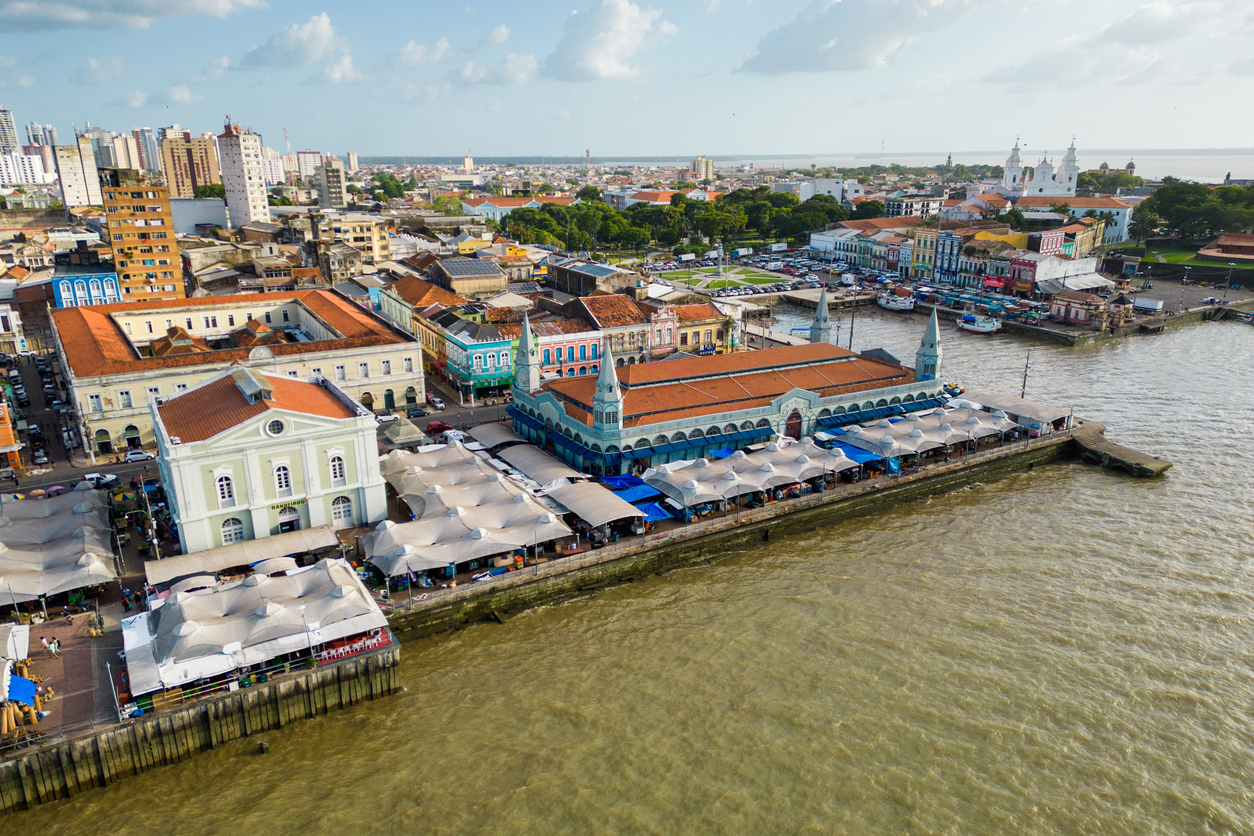
FEATURE IMAGE: Market Ver o Peso by the River and Belem City – by dabldy on iStock
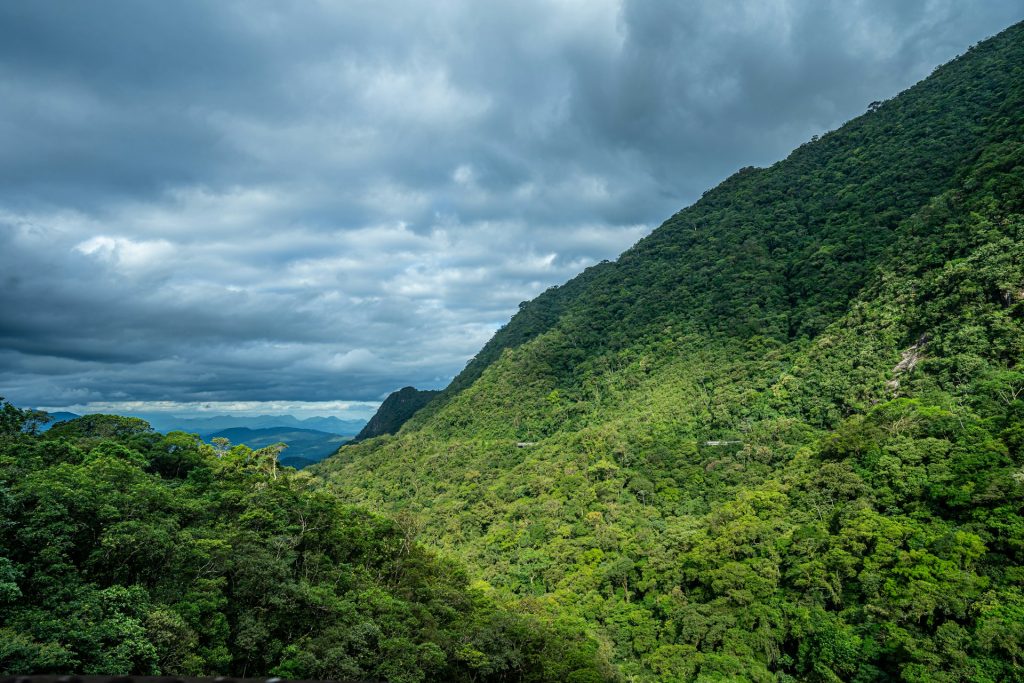
Support Image: Morretes, State of Paraná, Brazil – by Muhammed Ballan on Unsplash
