
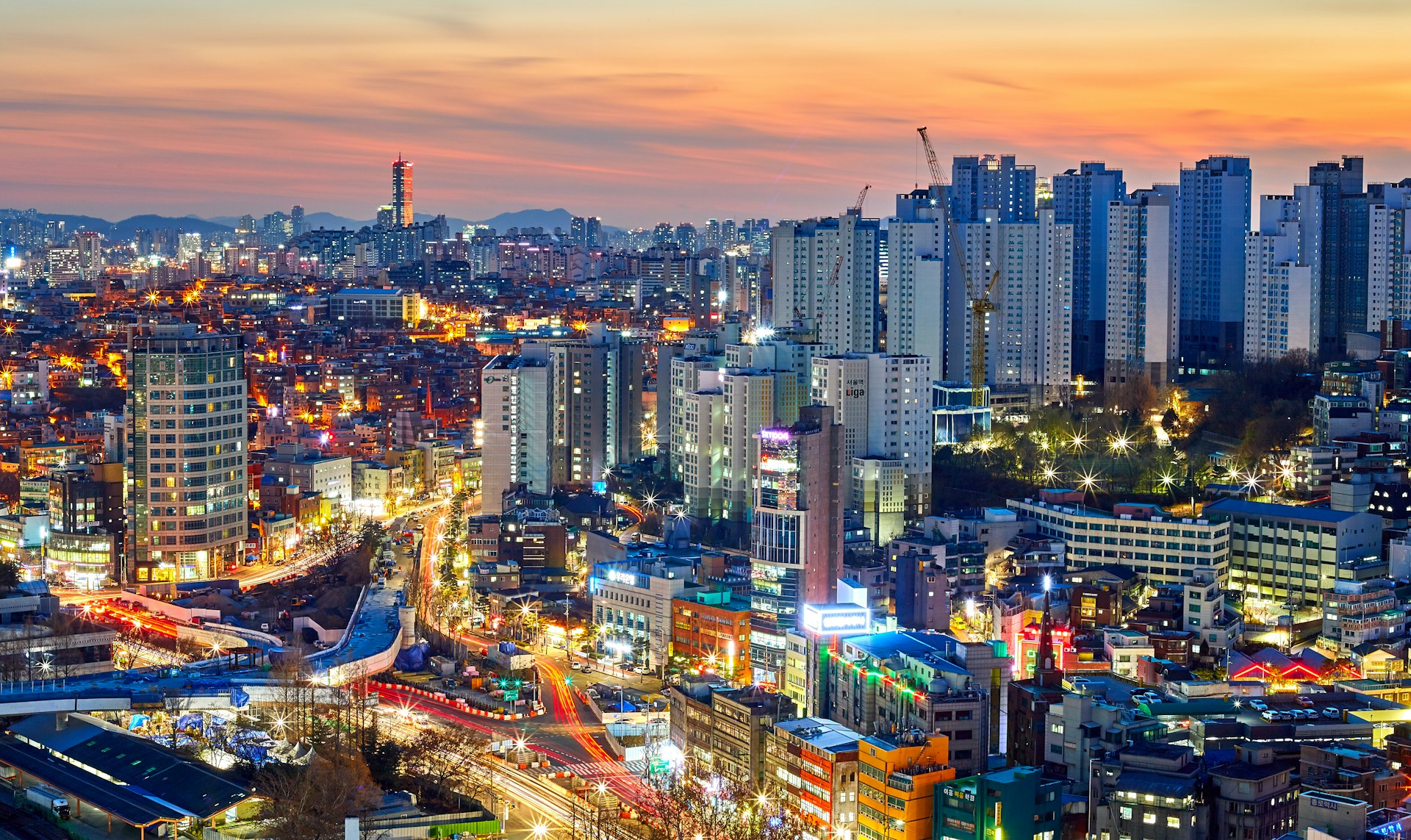
MY HOME
With the 2026 World Cup now a fading memory, Nick Chaddock looks back on at the event that revolutionised the competition – and changed his life forever – the world cup held in Korea and Japan in 2002.
New home, new life
Imagine going to watch a World Cup and never returning home. In the buildup to this summer’s World Cup, a documentary was released on YouTube called Lost Down Mexico Way. It is a nostalgic story of how attending the Mexico World Cup in 1986 changed the lives of four British men from the Midlands.
One of the England fans who ventured to Mexico was David Arnold from Solihull, a life-long Birmingham City supporter. Not only did David never leave Mexico after the World Cup finished in 1986, he never left Monterrey—the city where England played out three of their group matches against Portugal, Morocco and Poland. Over the 40 years since England suffered in the Mexican heat, David has fully integrated into Mexican life and built a highly successful career in education. Today, he serves as a school director at the Valle Campus of the American Institute of Monterrey, an international school a short distance away from where Gary Lineker scored a historic hat-trick against Poland.
Team selection
I can relate strongly to David’s experience! My own long-term international journey followed a remarkably similar path. After finishing university—which included a transformative stint of work experience at the San Francisco Boys & Girls Club in the USA, where I got my first taste of teaching outdoor education—I was looking for another overseas adventure. My father is a retired art teacher and my mother was the Head of the inspirational Hob Moor Oaks Academy in York. Teaching for a year and then watching the World Cup as it crossed into Asia for the first time in 2002 seemed like a perfect plan. From as early as 1987, Japan had offered the Japan Exchange and Teaching (JET) Programme— an opportunity for people to teach and experience life in the ‘Far East’. South Korea followed suit in 1995 with their English Program in Korea (EPIK).
I chose to go to South Korea.
A different world
In April 2001, when I landed at the shiny new Incheon International Airport, the world was a very different place. The indestructible Nokia 3310 was the UK’s most popular phone—no camera, no apps, and no colour screen. Dial-up internet was still king. Shaggy’s It Wasn’t Me dominated the airwaves, Bridget Jones’s Diary had just hit the cinemas, and 22 million people were glued to their TVs to find out who shot Phil Mitchell on Eastenders. Crucially, nobody in the UK knew what kimchi was.
Which is exactly why I chose South Korea over Japan. I had vague memories of the Seoul 1988 Olympics (mostly the 100m doping scandal) and I had seen Daewoo car adverts on TV, but that was about it. I told my mum I would be back in a year.
South Korea, 2002
The history of the Korean peninsula is long and proud, but for me, the modern South Korea we know today was truly launched off the back of an amazing 2002 World Cup. I managed to secure tickets for 11 different games. The Koreans took the tournament party to the streets for everyone to enjoy; the broadcast coverage of oceans of red-shirted “Red Devils” fans in the streets became the defining image of that summer. An estimated seven million Koreans watched the semi-final outdoors.
After the crowd violence that marred France in 1998, South Korea redefined what a large-scale football tournament could look and feel like. They introduced the world to widespread fan parks, painted faces, and a welcoming, family-friendly food culture at matches. Coupled with the fairytale success of their national team, it was a joyous time to be in the country. It is clear to me that South Korea shaped the modern FIFA World Cup more than any other host nation, changing the blueprint of international sports fandom forever.
Why I stayed
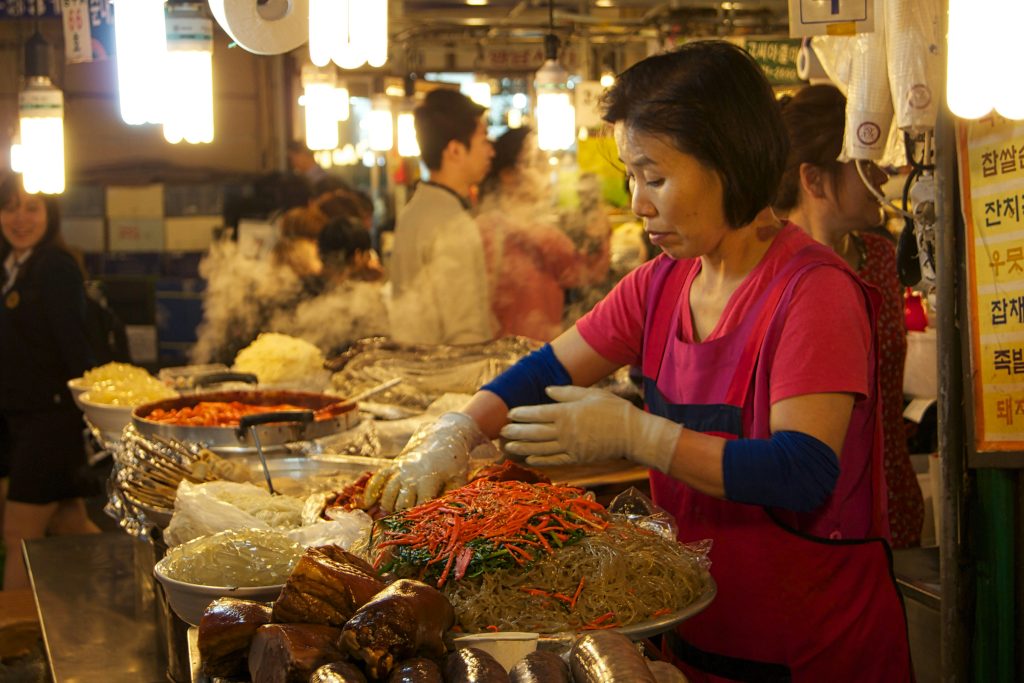
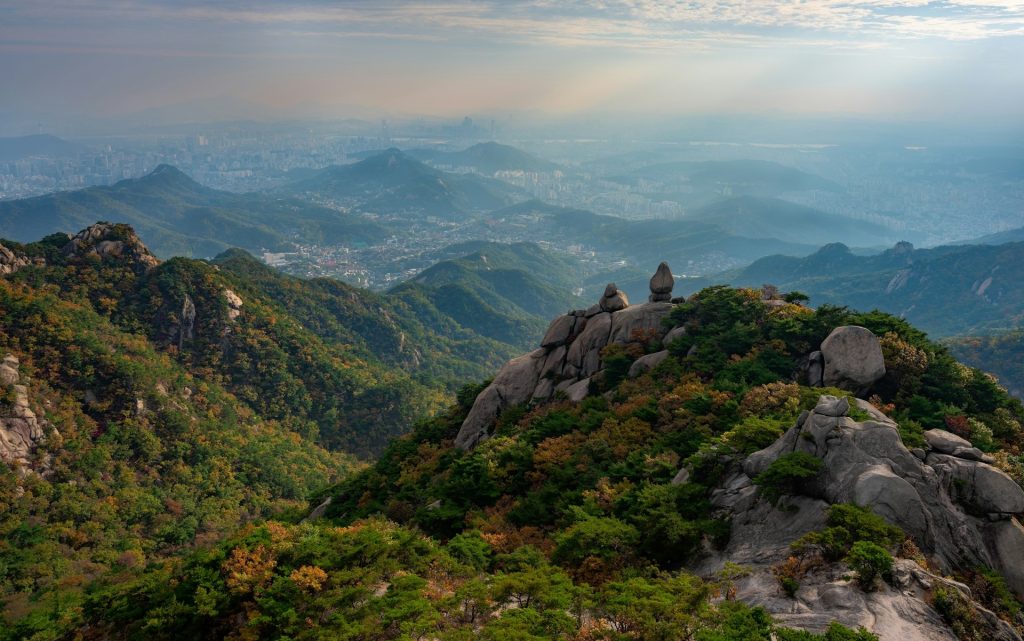
The reasons why I never returned home to are numerous. The people, the food, the mountains, the economic opportunities, the civility, and the sheer modernity are all massive factors. But perhaps the societal importance placed on education has been the defining factor of my longevity here. Over the years, UK education secretaries from Michael Gove to Liz Truss have frequently cited South Korean academic prowess as a benchmark. Yet, although maths and science have always been at the forefront of the system, during my time here I have witnessed a growing recognition that a more holistic, ‘whole child’ approach might better serve future generations. It has been an honour to be a small part of that educational evolution.
International Baccalaureate
The educational landscape of South Korea has undergone a quiet revolution in recent times. The country is seeing a rapid proliferation of international schools alongside a massive state-led push to bring the International Baccalaureate (IB) into mainstream public education.
For many years, Seoul Foreign School (SFS) primarily served the expatriate community at a time when there were heavy restrictions on local citizens attending international schools. By 2010, the soaring demand for Western-style, English-medium education saw the opening of Special Economic Zones in Incheon and on Jeju Island. This brought an influx of franchised premium schools from the UK and North America, operating under models that allowed a much higher quota of Korean students. This expansion continues today, moving in tandem with an explosion of public IB World Schools that is on track to cross into the hundreds. The South Korean government even negotiated a historic deal with the IBO to allow major parts of the curriculum and exams to be taught and assessed directly in the Korean language.

What now?
In the global race for talent, South Korea is aiming to attract 300,000 foreign students by 2027 by offering affordable, bilingual higher education. And who could underestimate the immense cultural pull of K-pop, K-dramas, and tech giants like Samsung and Hyundai? For a generation that grew up consuming Korean culture online, the prospect of moving to study or work here is seen as highly prestigious.
For myself, sitting roughly a decade away from a Korean retirement, it is going to be a fascinating watch to see what happens next. This beautiful, dynamic country is one I am incredibly proud to have called home for the last 25 years.

Although he now calls Korea, as opposed to the UK home, Nick Chaddock’s latest international assignment is as Outdoor Education Lead at St. Andrew’s International School, Green Valley, in Thailand.
FEATURE IMAGE: by Mathew Schwartz on Unsplash – Cityscape in Seoul at sunset.
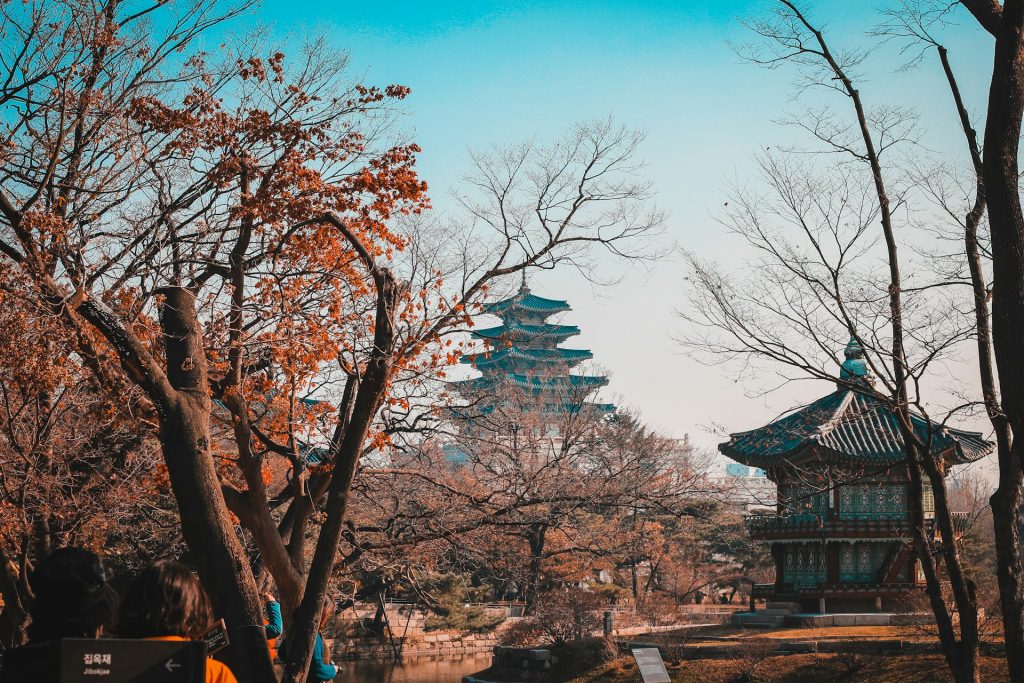
Support Images: by Louie Nicolo Nimor on Unsplash – Gyeongbokgung Palace, South Korea, Mike Swigunski on Unsplash – Street Food, Elliot Gouy on Unsplash – Bukhansan National Park, Seoul, South Korea, & Joel Muniz on Unsplash – K-pop
