

THE CHANGING FACE OF CLIMATE EDUCATION
An international climate symposium opens new pathways for students at Kyoto International School. Principal Matt Topliss reports.
A global movement for schools
Kyoto International School (KIS) recently became part of a global movement when it hosted the 56th Beyond COP21 Symposium in April 2026, notably, the first edition ever held in Japan.
More than simply a one-day climate event, the symposium marked an important milestone in the school’s growing commitment to sustainability education, interdisciplinary collaboration, and community partnership.
The Beyond COP21 series of events was established by global coordinator, Peter Milne in 2016 following the Paris Climate Agreement at the ‘COP21’ climate summit. These events have since been held in 26 countries across six continents, bringing together schools, researchers, businesses, and young people to discuss the United Nations Sustainable Development Goals (SDGs). Hosting the Japanese edition positioned KIS within an international network of schools committed to climate action and student agency. Notably, it was the first edition of Beyond Cop 21 ever held in Japan.
The symposium centred around a powerful message shared with students throughout the day:
“The world has made promises. Now it needs action.”
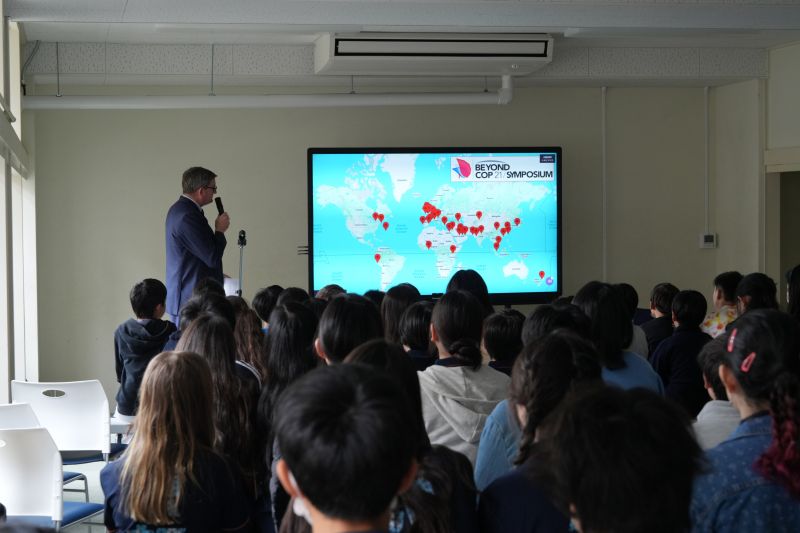
A collaborative Kyoto event
One of the most significant aspects of the symposium was the breadth of local collaboration that KIS was able to facilitate with Pete’s support. The event brought together educators, researchers, businesses, financial institutions, government representatives, parents, and students in a shared dialogue about sustainability and the future of Kyoto.
A representation from the Kyoto Board of Education reinforced the importance of sustainability education within the city’s broader educational landscape. Their involvement highlighted growing recognition that schools must play a central role in preparing students to navigate increasingly complex environmental and social challenges. It also opened discussions about how future symposia might involve greater participation from local Japanese schools alongside the international student community at KIS.
Equally important was the participation of Kyoto Bank, whose presence demonstrated how sustainability conversations are now influencing finance, investment, and regional economic planning. For students, it was a valuable opportunity to see that climate responsibility is no longer limited to environmental organisations alone; it is increasingly shaping decision-making across every sector.
These interactions helped transform the idea of sustainability from an abstract classroom topic into something deeply connected to real-world systems, careers, and community leadership.
Building bridges between education, research and industry
The symposium programme intentionally blended student voice with expert knowledge and practical application.
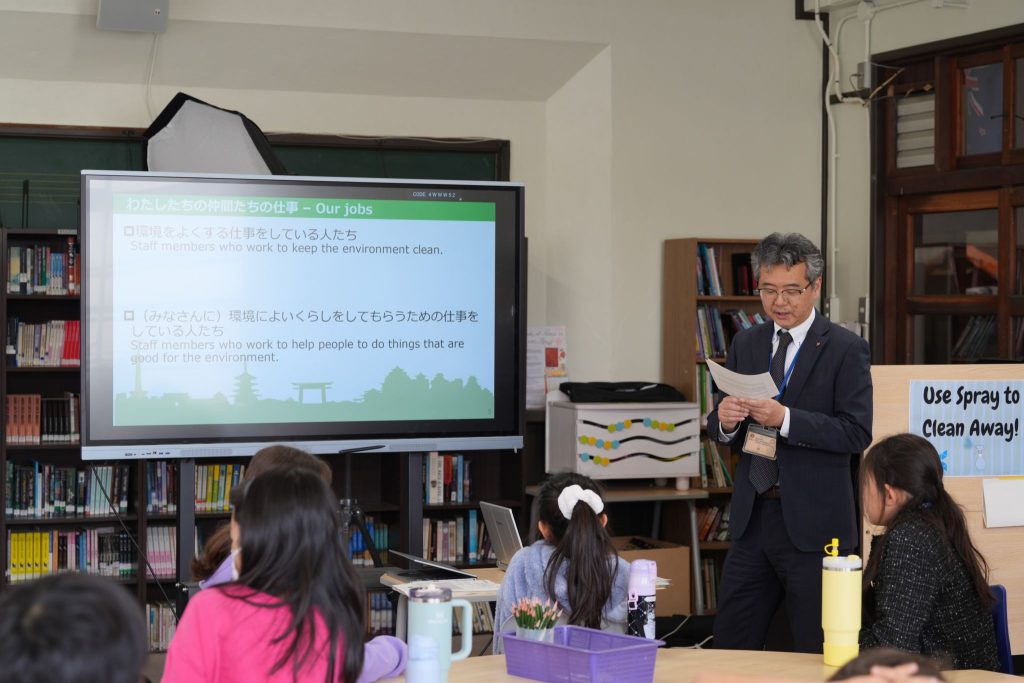
One of the strongest partnerships came through the involvement of the Research Institute for Humanity and Nature (RIHN), a Kyoto-based national research institute dedicated to interdisciplinary environmental research. During the symposium, Research Associate Riho Tani explored themes including climate change, planetary boundaries, and the role of human behaviour in environmental degradation.
Students were introduced not only to scientific evidence, such as rising temperatures in Kyoto and global warming trends, but also to larger philosophical questions about how humanity should live sustainably within planetary limits. One message particularly resonated with students:
“Human culture, beliefs, values and actions are at the root of contemporary global environmental problems.”
The partnership demonstrated how schools can act as bridges between young learners and the research community, helping students engage directly with current scientific inquiry and sustainability projects. A second major partnership emerged through the participation of IKUTA Group, a Kyoto-based manufacturing company with more than a century of experience in copper processing and industrial engineering.
IKUTA’s presentation offered students a practical example of how sustainability and industry intersect. Students learned about the role copper plays in renewable energy systems, advanced technologies, and clean energy infrastructure. The presentation also encouraged students to think critically about the ethical and economic challenges businesses currently face, particularly as global demand for sustainable materials continues to rise.
For KIS students, partnerships with organisations such as RIHN and IKUTA created valuable opportunities, offering authentic links between classroom learning and industry, exposure to STEM and sustainability careers, opportunities for future collaboration and mentorship while building stronger relationships between schools and the wider Kyoto community. Most importantly, students were able to see that sustainability is not separate from innovation or economic development, but increasingly central to both.
Student voice at the centre
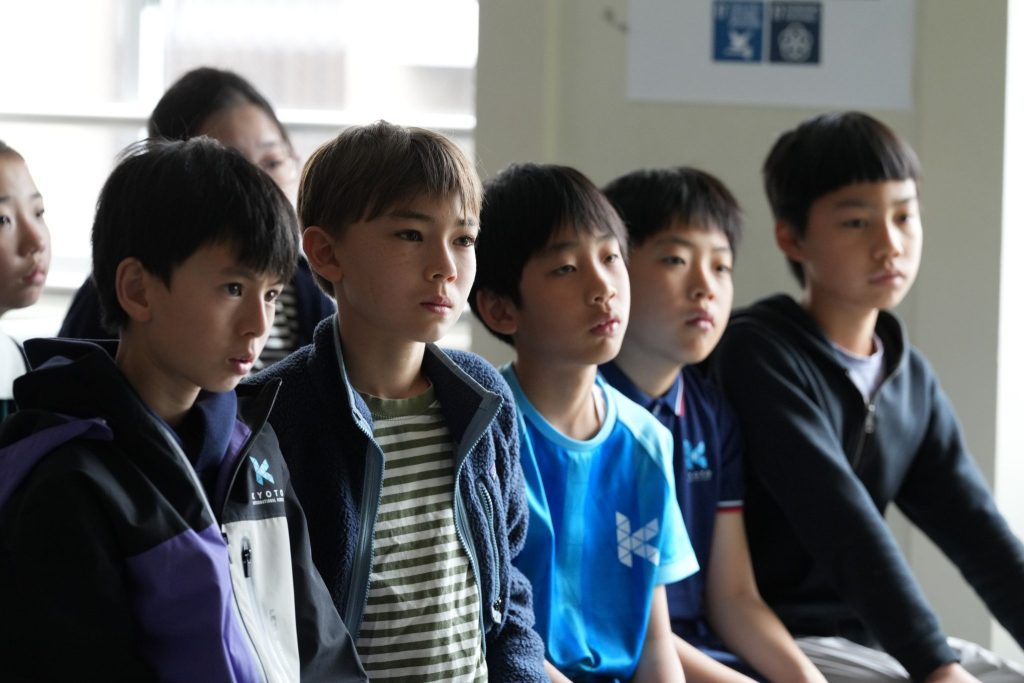
While experts and organisations played an important role, the symposium remained firmly student-centred throughout the day.
A Student Voice Panel featuring students from Grades 5–10 explored climate action, renewable energy, sustainable cities, and youth responsibility. Students discussed questions such as the role schools should play in creating a more sustainable future, how young people can remain optimistic during the climate crisis and which of the UN’s Sustainable Development Goals they will personally commit to supporting. These conversations reflected one of the symposium’s strongest educational outcomes: empowering students to see themselves not simply as learners, but as active participants in shaping the future.
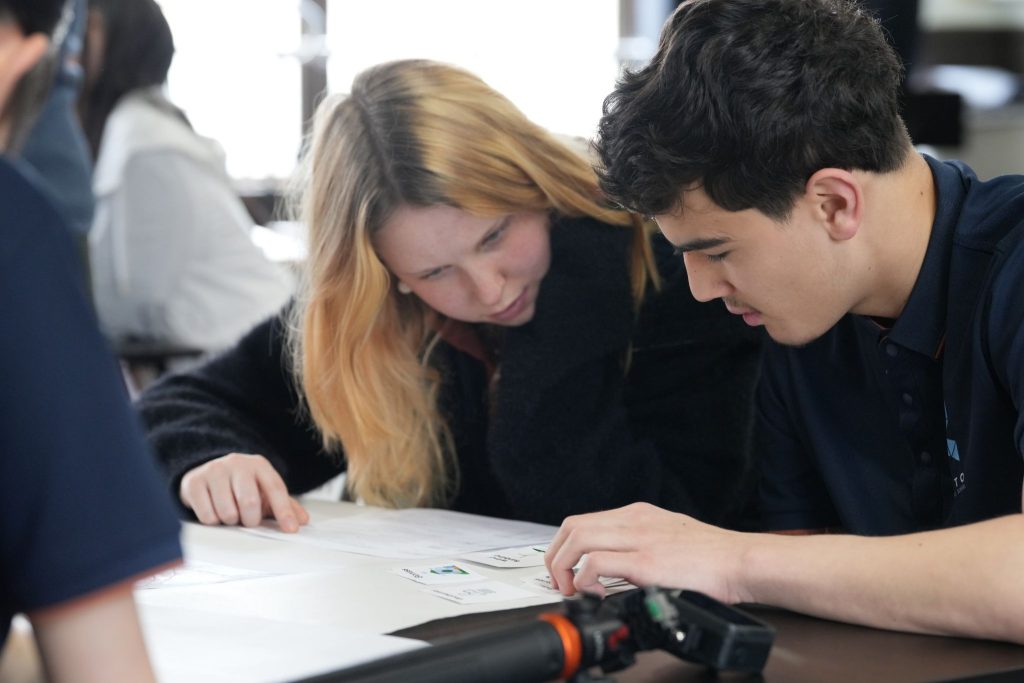
The event also included workshops on resilient cities, ecology, energy futures, and mindful habits for a healthy planet. Through collaborative activities connected to SDG 12, Responsible Consumption and Production, students explored practical solutions related to food waste, energy use, plastic pollution, and sustainable lifestyles.
Beyond the symposium
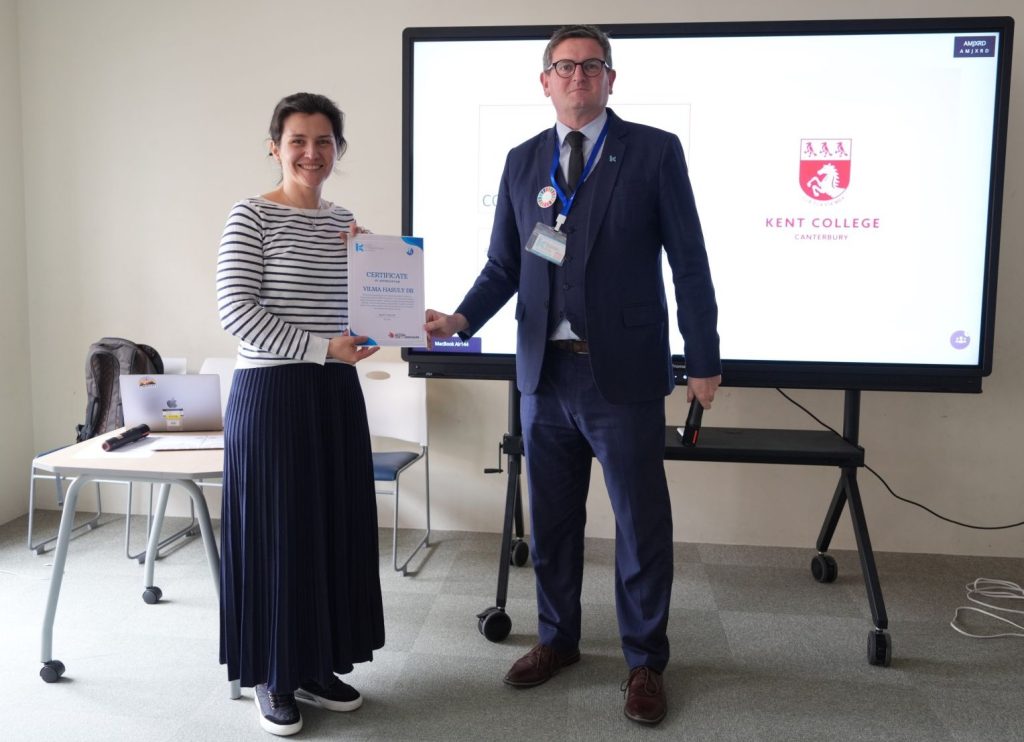
Hosting the symposium also elevated Kyoto International School’s profile internationally. The Beyond COP21 network connects schools across Europe, Asia, the Middle East, Oceania, and the Americas, and the symbolic “passing of the baton” to Kent College Canterbury in the United Kingdom reinforced KIS’s place within a growing global network of educational leadership.
At the same time, the event aligned naturally with Kyoto’s historic identity as a city associated with climate diplomacy through the Kyoto Protocol. By bringing together local organisations and an international educational initiative, KIS demonstrated how schools can become important spaces for exploring global challenges through local action.
Authentic connections
Perhaps the greatest success of the Beyond COP21 Symposium at KIS was that it did not present sustainability as a one-day event. Instead, it created foundations for future partnerships, curriculum development, and ongoing dialogue.
As schools around the world continue to search for meaningful approaches to climate education, the symposium demonstrated that impactful learning occurs when education connects authentically with community, research, industry, and student voice.
For Kyoto International School, the symposium was not simply the conclusion of a successful event. It marked the beginning of a wider network of relationships and opportunities, both within Kyoto and across the globe.
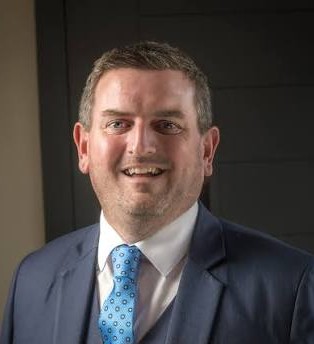
Matt Topliss is the Principal of Kyoto International School.

Further information:
For more about organising a symposium at you school, see:
FEATURE IMAGE: Arashiyama Bamboo Forest, Kyoto, Japan Getty Images For Unsplash+
Support Images: kindly provided by Kyoto International School
