

FROM AUSTRALIAN SCHOOLS TO A GLOBAL MOVEMENT
Danny Mayson-Kinder reflects on the work of the b kinder foundation in Australia and its relevance to international schools.
Beginnings
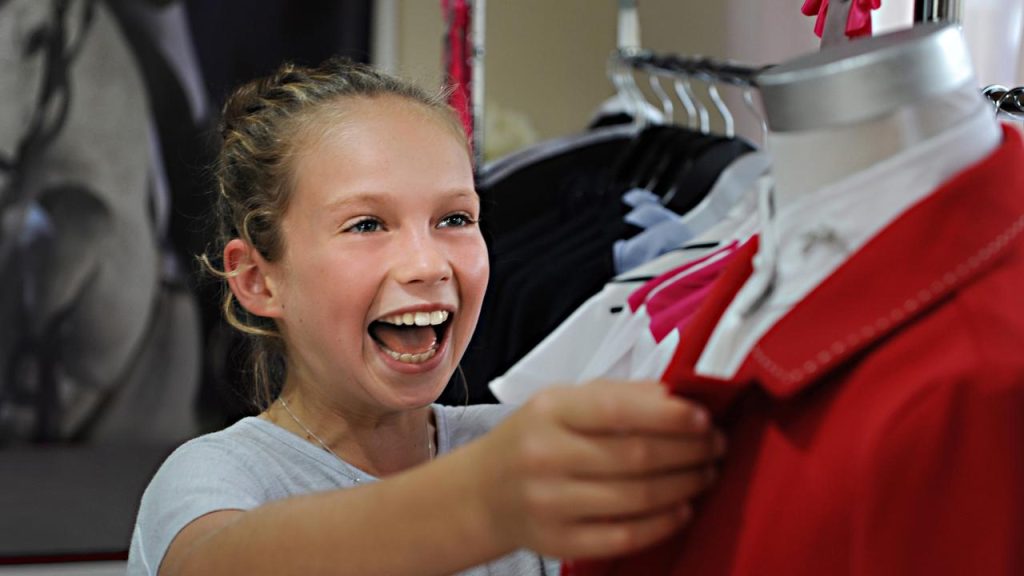
In 2016, my 12-year-old daughter Billie was killed in a tragic accident. Billie was an extraordinary child, thoughtful, creative and deeply empathetic. The b kinder foundation was set up to honour her amazing legacy and incredible spirit. Our mission is to spread kindness across Australia, ensuring it becomes a core value in every preschool, primary and high school to reduce the prevalence of mental illnesses, bullying, and suicide. We are now a registered Australian charity implementing unique prevention and early intervention school programs that empower children to become kinder, more empathetic and more compassionate.
The problem
Australian students currently face the second-highest bullying rates among OECD countries, with seven in ten children experiencing bullying behaviour. At the same time, mental health issues are escalating, and youth suicide remains the leading cause of death for 15-24 year olds. Teachers tell me they’re overwhelmed, schools are stretched, and many traditional anti-bullying programs focus on responding after harm has occurred rather than preventing it.
When I speak to educators across Australia, I hear the same message: we are investing significant time and energy into managing crises, but not enough into preventing them in the first place.
Starting with kindness
The b kinder approach is intentionally different. Rather than focusing on what we want to eliminate, we focus on what we want to build: kindness, empathy, connection, and compassion.
This is not about being “soft” or avoiding difficult conversations. When I talk about kindness, I’m talking about shifting attitudes, systems, and the way we value each other. I’m talking about giving children the emotional intelligence, language and relationship skills they need before challenges escalate.
Our evidence-based programs, developed alongside psychologists and educators, use Billie’s own words and artworks to help students build a stronger sense of belonging, self-esteem and emotional resilience. The response has been extraordinary and has shown positive, measurable results.
Proven Impact: Australia as a case study
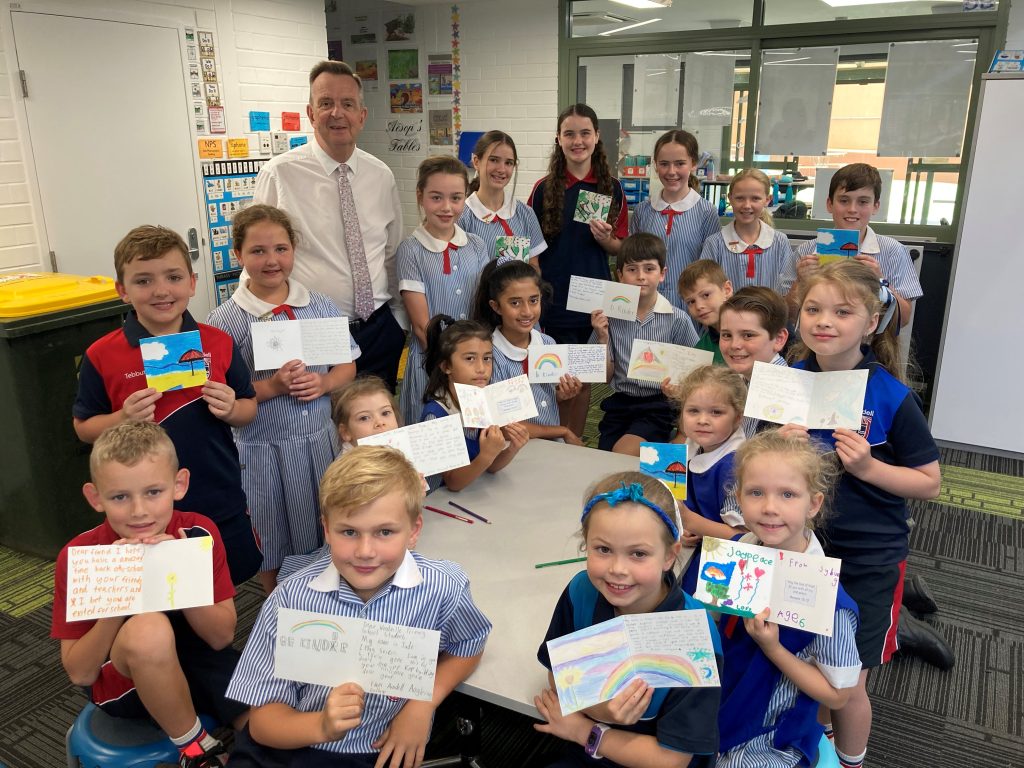
To date we have worked with over 400 schools across Australia, reaching more than 100,000 students. What started as personal grief has evolved into what I believe is a scalable model for systemic change.
Our latest 2025 student leadership report from an independent evaluation by Huber Social has demonstrated a 36% reduction in students feeling bullied, an 18% reduction in students witnessing bullying and 73% of students said they had a positive impact on their school.
These aren’t just statistics, they are children who now have tools to navigate their emotions, ask for help, and support their peers. Teachers tell me our programs have “transformed our entire school culture.” The parents say their children come home talking about kindness instead of loneliness.
Our flagship b kinder schools program empowers student leadership teams to drive cultural change through five student-led initiatives throughout the year, ultimately helping them to take ownership of their school culture, moving beyond instruction to genuine leadership.

Beyond borders
What’s happening in Australian schools right now is, I believe, the beginning of something much bigger. We’re demonstrating that kindness-based early intervention can create measurable improvements in student wellbeing, school culture, and community connection.
The approach is universal: elite private schools and disadvantaged rural communities are both seeing results. Every child, regardless of background, benefits from learning empathy and emotional regulation.
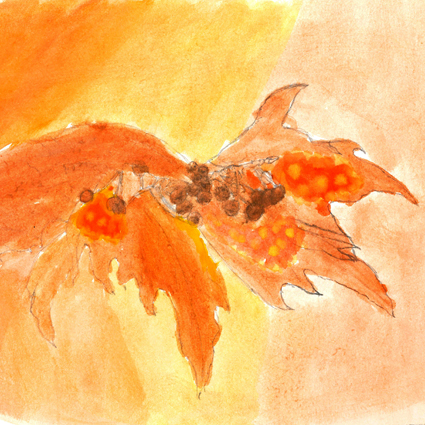
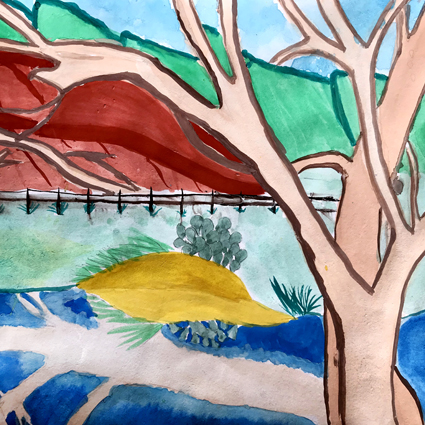
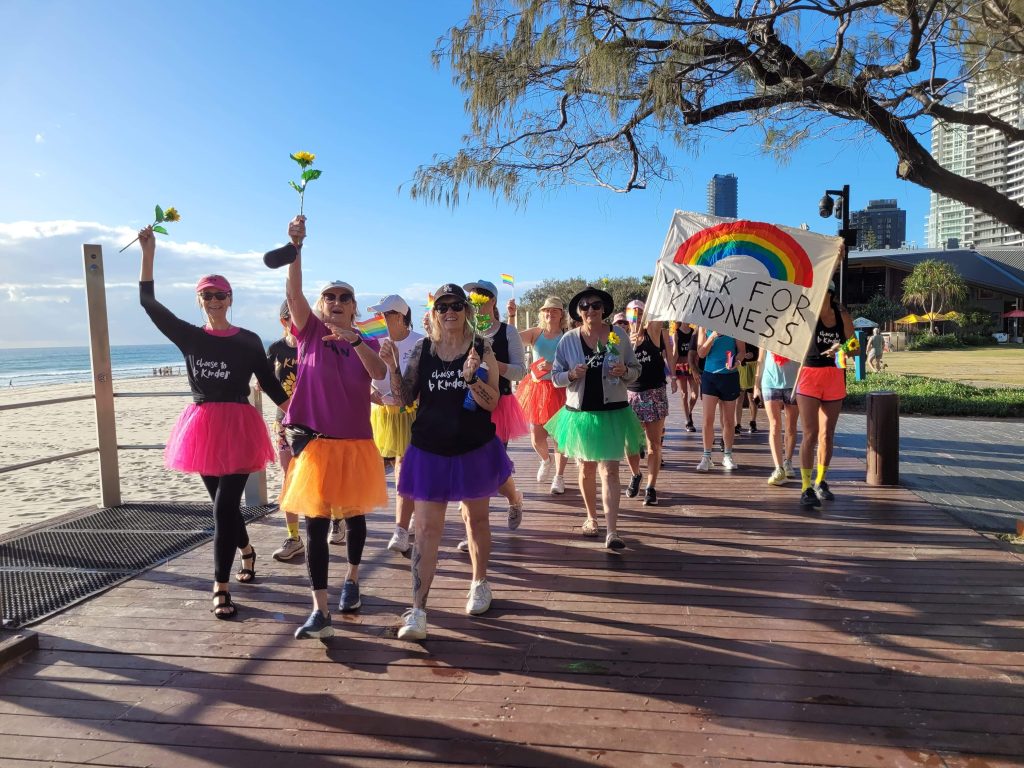
On June 22nd, we celebrated our annual b kinder day, a nationwide (and increasingly global) event when students, families, and businesses spread kindness through handwritten messages in Billie’s illustrated b kinder day cards (shown above) To date, over 164,000 kindness messages have been sent worldwide. This year, we’re aiming for 200,000.
In an increasingly digital world, the simple act of writing a thoughtful message to someone creates genuine human connection. Sometimes, one kind message can literally save a life.
What teachers can do
For educators reading this, it’s important to know that embedding kindness does not require a significant budget or additional workload.
Our work is largely focused on Australia now, but we are open to global expansion and excited for international schools to join our kindness journey. We’ve deliberately created programs that work for time-poor teachers who don’t need another complicated initiative added to their workload. But it all starts with a simple commitment: to place kindness at the very centre of how we teach, lead and engage with young people.
Why this matters?
There are moments when I question if I’m doing enough, reaching enough children, creating enough change.
But then I hear from educators like Michelle De Paoli from Glenorchy Primary School, who told me: “The b kinder initiative fills us with a sense of optimism for our future.” That’s what keeps me going.
Every program delivered, every student reached, and every teacher supported represents a step towards a more connected and compassionate future. Billie’s legacy transforming personal tragedy into collective hope. Billie believed deeply in the power of kindness and her belief is becoming a lived reality in schools across Australia – and beyond.
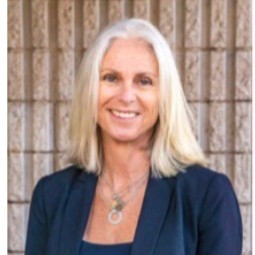
Danny Mayson-Kinder is the CEO and Founder of tge binder foundation.
Learn more about the b kinder foundation at www.bkinderfoundation.org or connect with us on Instagram at @b_kinder_foundation or Facebook at b kinder foundation.
Watch on YouTube – b kinder school
FEATURE IMAGE: by Getty Images For Unsplash+
Support Images kindly provided by the b kinder foundation
