

WHAT DOES IT LOOK LIKE?
Dr. David Porritt explores five essential characteristics that sustain contemporary schools and their leaders in an increasingly uncertain world.
The small signs of good leadership
Over the past 25 years working with school leaders around the world, one of the clearest patterns we have seen at Karen Ardley Associates is that successful leadership is not defined by position alone. While titles matter organisationally, influence is built in daily practice, in the tone set in meetings, the clarity brought to complexity, and the consistency of follow through. The small moments given to these practices rarely attract attention, yet they are where trust is formed and impact sustained.
Presence matters. Many leaders begin by associating authority with certainty, yet those who sustain impact tend to operate differently. They are composed rather than forceful, clear without dominating, and able to acknowledge uncertainty without losing credibility. The work of Richard Boyatzis helps explain why. Self-awareness and empathy enable leaders to build trust and invite contribution. Where confidence is balanced with humility, organisations think more clearly.
Collective capacity and time to think
Over time, leadership becomes more powerful when it builds collective capacity. Creating the conditions for others to lead is critical. Enabling others requires clarity, trust, and the deliberate sharing of responsibility. In schools where this is done well, we’ve seen that middle leaders act with confidence, teams become solution focused, and leadership becomes stronger.
The pace of school life, however, can undermine this work. Urgency often displaces reflection. Yet we’ve seen that leaders who protect time to think consistently make better decisions. When reflection becomes dialogue, it often takes the form of coaching, which shifts leadership from telling to asking. This builds ownership, confidence, and professional agency, and over time cultures move from compliance to commitment.
These approaches are tested most when certainty disappears. In complex environments, leadership is less about having answers and more about maintaining steadiness. The work of Rob Goffee and Gareth Jones reinforces the importance of authenticity. Leaders who communicate honestly about what is known and unknown, and who remain anchored in values, build trust even in uncertainty.
Middle leadership
A consistent lesson across our work has been the central role of middle leadership. Positioned between strategy and classroom practice, middle leaders shape teaching, curriculum, and culture. Where they are supported, schools feel aligned, bringing both immediate and long-term impact. Many participants now in senior roles return to us to support their teams, recognising the difference it made to their own development.
In the most effective schools, people feel seen and valued. This is shaped through everyday behaviours: listening, noticing, inviting contribution, and addressing issues with respect. As Stephen Covey noted, trust acts as a multiplier. Where it is strong, collaboration accelerates, creating a positive school culture. Where it is weak, energy is lost to self-protection.
Purpose and sustainable leadership
Beneath culture sits purpose. Purpose clarifies priorities and sustains leaders when demands intensify. This brings us to a critical distinction that will underpin our seminar. Heroic leadership, driven by individual effort and long hours, can deliver short term results, but it is difficult to sustain. It often leads to exhaustion and dependency. In contrast, sustainable leadership builds capacity. It prioritises carefully, distributes responsibility, and develops others deliberately. It also protects wellbeing as a foundation for sound judgement. The work of Patrick Lencioni aligns with this, highlighting that healthy organisations are those where trust, clarity, and accountability are embedded.
Five key ideas
In summary, then, as we work with schools, we aim to develop the practice of effective leadership through five key ideas:
- Leadership is a daily practice
Leadership is built through consistent actions rather than position. It is visible in clarity, tone, and follow through, shaping trust and credibility over time.
- Enabling others to lead
Sustainable leadership depends on creating the conditions for others to act with confidence, aligning responsibility with trust and building collective capacity.
- Reflection and coaching for impact
Reflection sharpens judgement, while coaching builds ownership and agency, enabling more thoughtful and effective professional dialogue.
- Building trust, belonging and organisational culture
Strong cultures are shaped through everyday behaviours that ensure people feel seen, valued, and able to contribute fully.
- Sustainable leadership over heroic leadership
Long term success depends on building systems, developing others, and sustaining wellbeing, rather than relying on individual effort alone.
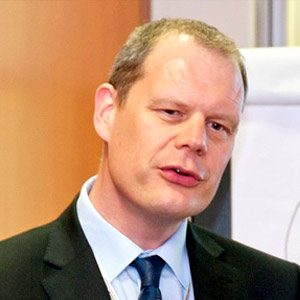
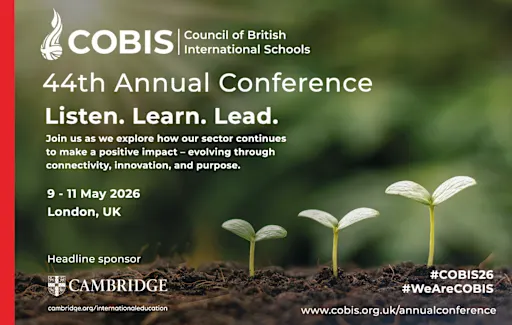
Dr David Porritt is Director of Coaching at Karen Ardley Associates. You can meet David and Karen at the COBIS conference this May when he and Karen will lead discussion on the practice of effective leadership in the context of international education.
FEATURE IMAGE: by Getty Images For Unsplash+
Support Images: by Kaja Kadlecova on Unsplash & Omotayo Kofoworola on Unsplash
