
PLANNING SUSTAINABLE CHANGE
According to Medea Abramishvili, educational thinking is on the move in Georgia, but good ideas need a different kind of whole-school planning if they are to lead to sustainable change.
It starts with a good idea
Many good STEAM initiatives in my part of the world begin with energy in individual classrooms. The pedagogy is strong, students are engaged and the learning feels purposeful. Yet not all of these initiatives last long enough to become embedded practice on a wider scale. The problem is rarely creativity or energy. More often, it comes down to the kind of thinking required to scale things up. But when STEAM work moves beyond a single classroom, the thinking needs to shift to be successful.
In the classroom, innovation is judged by engagement and understanding. Does this initiative deepen learning? Does it strengthen problem-solving? Does it connect theory and practice in meaningful ways? As implementation moves forward, however, other considerations come into view. Is the model financially sustainable? Can it operate without continually overextending staff? Can it be replicated without losing quality? Does it sit comfortably within institutional structures?
Planning for scale
These questions do not weaken pedagogy. If anything, they protect it. Educational Technology in Georgia often occupies a space between vision and viability. It is not simply about platforms or devices. It is about designing frameworks in which pedagogy, operations and sustainability reinforce one another rather than compete for attention across a whole school.
I recall reviewing a STEAM initiative that had worked exceptionally well with one cohort. The outcomes were strong, student feedback was positive and the classroom atmosphere was energized. Yet a closer look at the delivery model revealed something less reassuring: it depended heavily on intensive teacher input and externally sourced materials. On a small scale, this was manageable. At the institutional level, it was fragile.
The response was not to lower ambition, but to consider the structure that might support it on a larger scale. Materials were adapted. Delivery was streamlined. Responsibilities were redistributed. The learning objectives remained intact, but the surrounding system became more resilient.
Supporting STEAM initiatives in Georgian schools
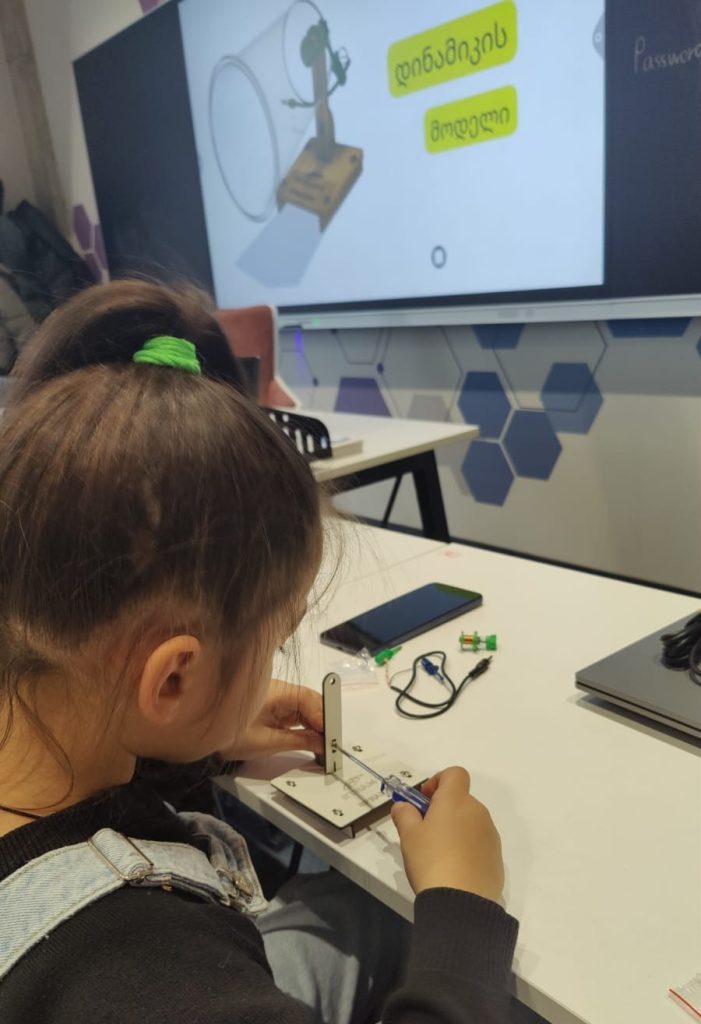
That experience reshaped my perspective. Innovation rarely collapsed because enthusiasm was missing, but it struggled when strong ideas were not supported by equally strong whole school systems and planning. One of the moments that made this shift very tangible for me came through my work in developing STEAM programmes beyond a single classroom. When we began implementing hands-on STEAM workshops and clubs, as well as STEAM lessons in formal educational settings, the initial focus was naturally on the classroom and pedagogy, creating engaging learning experiences, designing meaningful engineering challenges, and ensuring that students could connect scientific concepts to real-world applications.
Systems planning to support innovation
As individual initiatives took off, however, it became clear that strong pedagogy alone was not enough. Questions of logistics, materials, scheduling, and sustainability began to shape the work just as much as instructional design. Balancing educational vision with operational realities required a different kind of thinking – one that felt surprisingly close to the engineering mindset we were trying to encourage in students. This experience reinforced a simple but important insight: educational innovation becomes truly sustainable only when pedagogy and systems thinking develop together.
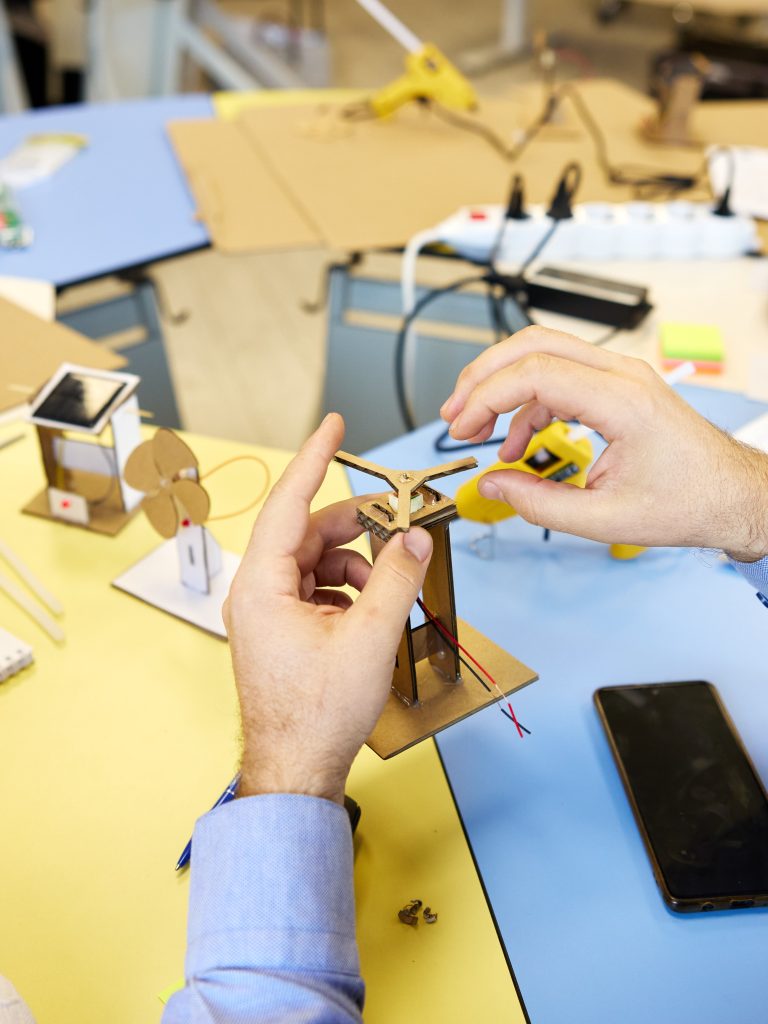
Here in Georgia, for educators who wish to extend STEAM work beyond their own classroom, this shift often feels less like a change of profession and more like a widening of perspective. The same engineering principles students apply – defining constraints, prototyping, testing and refining – begin to complement programme design itself and even reflect what is happening in the classroom as change takes place. In STEAM classrooms, students are encouraged to iterate. At a whole school level, iteration becomes a strategic priority. Partnerships evolve. Funding structures shift. Priorities change. Adaptability moves from a classroom skill to a leadership necessity.
It is worth stating clearly that the idea of educational entrepreneurship is not a prerequisite for becoming an effective teacher. Many educators create profound and lasting impacts entirely within their classroom environments and that’s where they stay. However, when innovation moves toward broader implementation, additional dimensions for planning are required.
A sustainable approach to innovation in Georgia
Which brings us back to innovation. As STEAM programmes grow in Georgia, they encounter similar questions to those facing entrepreneurs. How can the initiative be sustained? What resources are required? What must remain constant, and what can be adapted? However, in school, this is less about commercial ambition and more about responsible design. Sustainability, in this context, is not a financial slogan. It is a commitment to continuity. A model that relies on constant overextension or unstable funding is unlikely to endure, even if it may appear inspiring at launch.
My own path in education began in physics and gradually evolved toward designing STEAM learning environments. What I have found is that meaningful innovation depends not only on creative ideas but also on the systems that foster their growth and keep them sustainable. In many ways, leading educational initiatives mirrors the engineering process itself as we identify constraints, test possibilities and refine solutions until they work in practice.
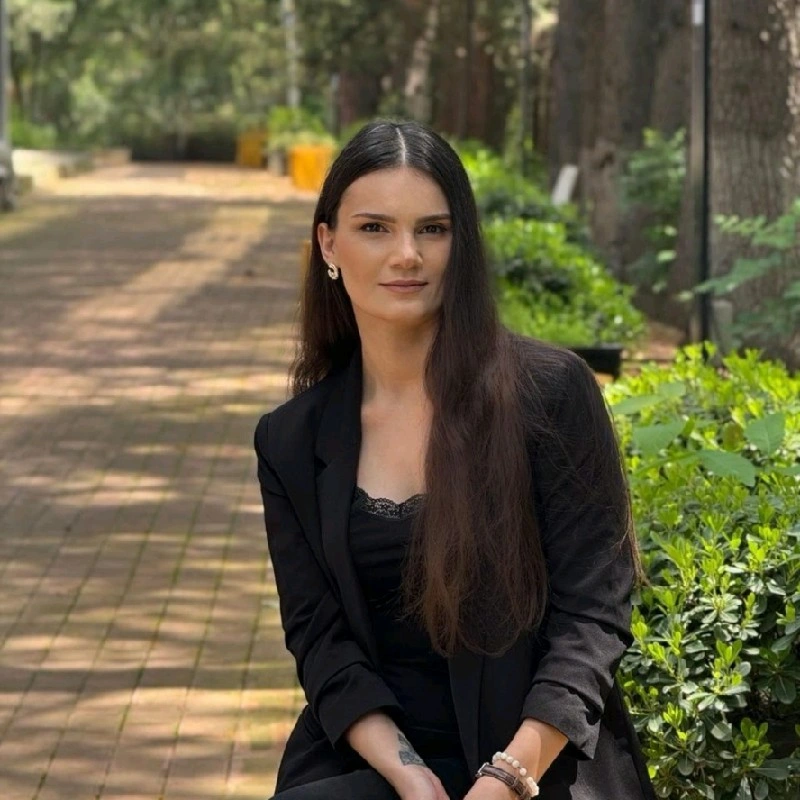
Medea Abramishvili is a Georgia-based educational consultant and trainer specialising in helping schools adopt effective STEM and STEAM initiatives.
FEATURE IMAGE: by mostafa meraji on Unsplash
Support Images: Our thanks to Medea
