
LEADING DIVERSE COMMUNITIES
For Joanna Povall, successful international school leadership requires consistency, care and kindness to blend local and international cultures.
Global and Local
International schools are a microcosm of the world, reflecting global diversity, with students and staff speaking multiple languages, greeting each other in various ways, and sharing identities shaped by the different places they call home. And yet, despite this diversity, you will find that international schools are shaped by the identity and values of the country that hosts them. At the end of the day, an international school may be filled with people from all over the world, but the walls that surround them stand firmly within the locality.
Leading an international school is both a privilege and a great responsibility, and this has certainly been my experience in Abu Dhabi. It has shown me that the strongest international schools are those which embrace this dual identity, local and international, with intention and care. When leaders do this well, cultural diversity shifts from being something to manage into one of the school’s greatest strengths.
The belief is central to my ideas on ‘kind’ leadership, making clear that clarity and humanity are essential tools for leading diverse communities.
Leading a diverse team
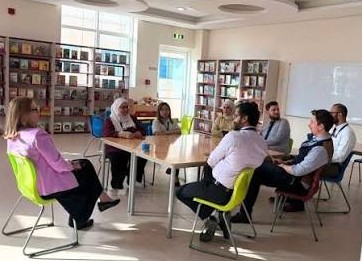
My team hears me say almost every day, “Not everyone is like you” – an idea thst is not just a reminder about cultural sensitivity, but a principle of accountability and fairness. International schools bring together colleagues from many different backgrounds, each with their own educational training, communication habits, and expectations of leadership. This diversity is an asset, but only when leaders create the conditions for trust and psychological safety within their school.
One key factor is to make the implicit explicit. What feels normal to one person may feel unfamiliar or even uncomfortable to another. Expectations around communication, safeguarding, assessment, or behaviour management vary widely in schools around the world. Leaders need to articulate expectations clearly and consistently to remove ambiguity and help prevent misunderstandings.
Listen to feedback, avoid assumptions and remember that as leaders, we are not always right. When a colleague’s approach differs from your own, ask questions and find out why. I am always surprised when leaders dismiss the phrase, ‘In my last school . . .’ Listening to what happened in a colleague’s previous school encourages shared expertise and best practice. This shifts the dynamic from judgment to learning and shows respect. Values and actions need to align. Leaders must be transparent and model fairness consistently. In all teams, fairness is not just a value; it is a stabilising force. Predictable processes, equitable opportunities and visible integrity help staff feel psychologically safe and able to contribute fully.
International standards and local values
International schools often operate within multiple accountability frameworks, inspection and accreditation bodies, alongside global benchmarks. At the same time, schools need to be mindful that they are working within the cultural and social expectations of the host country. Rather than seeing local expectations as limitating, school leaders can draw on them to strengthen their schools’ sense of belonging and connection to the wider community.
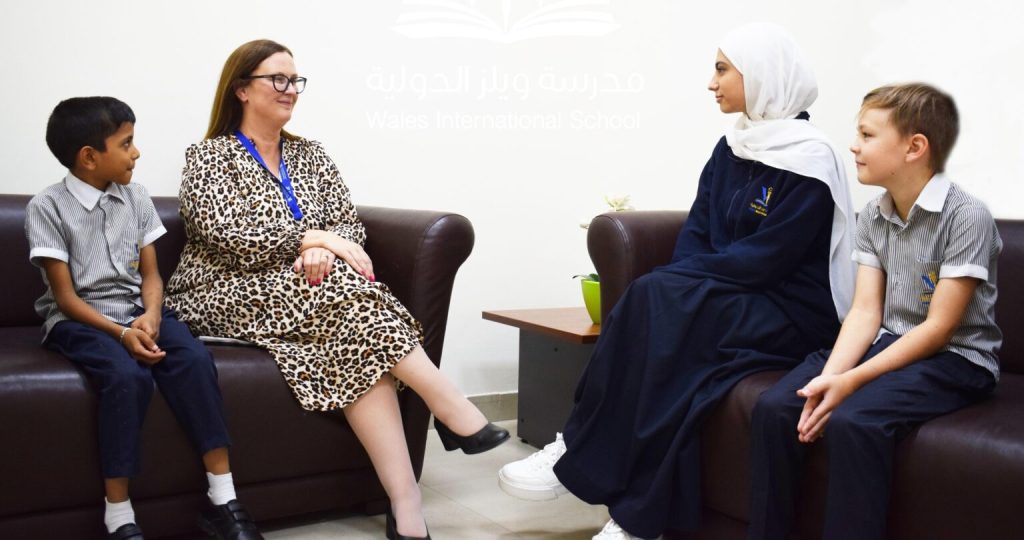
In the UAE, the emphasis on values and national identity can provide a foundation for how you can build your school culture. The way that we have looked at it at our school is that the international standards provide the structure, and the local values provide the meaning. They have placed our school within the local community, and this helps our students to understand the world they live in. When our students see culture reflected in our daily life, through assemblies, curriculum choices, and our routines, it helps them to develop a stronger sense of belonging and respect.
There is a common misconception that cohesion in a school community requires ‘sameness’. This is not the case. When representation is visible, belonging intentional, and differences treated as assets, people feel seen and included. They feel noticed. The strongest school cultures are those that celebrate difference.
A timely reflection
As international education continues to expand, school leaders increasingly find themselves balancing global expectations and local realities. This requires consistency, cultural understanding, and a commitment to fairness that is at the heart of a good school’s culture.
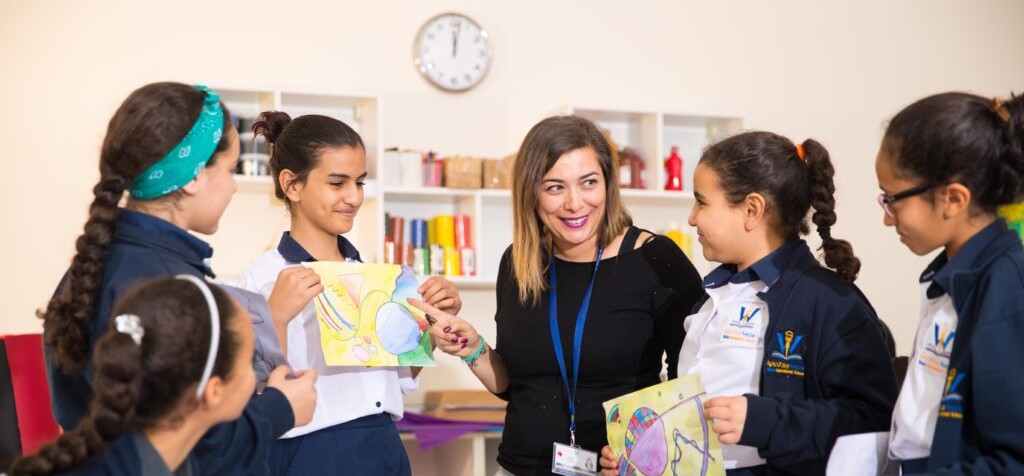
International schools have a unique role to play in society. Through the principles of kind leadership, we can build communities that embrace difference, nurture belonging, and prepare our staff and students to feel at home wherever they may go in the world. When this is intentional and done well, the impact is phenomenal. Your school can be a place where diversity is not just present, but where everyone learns to understand themselves, appreciate others, and contribute meaningfully.
Always remember that not everyone is like you, and that there is nothing wrong with that. When we lead with that awareness, our schools become places where difference is welcomed as a strength. A place where everyone can belong.
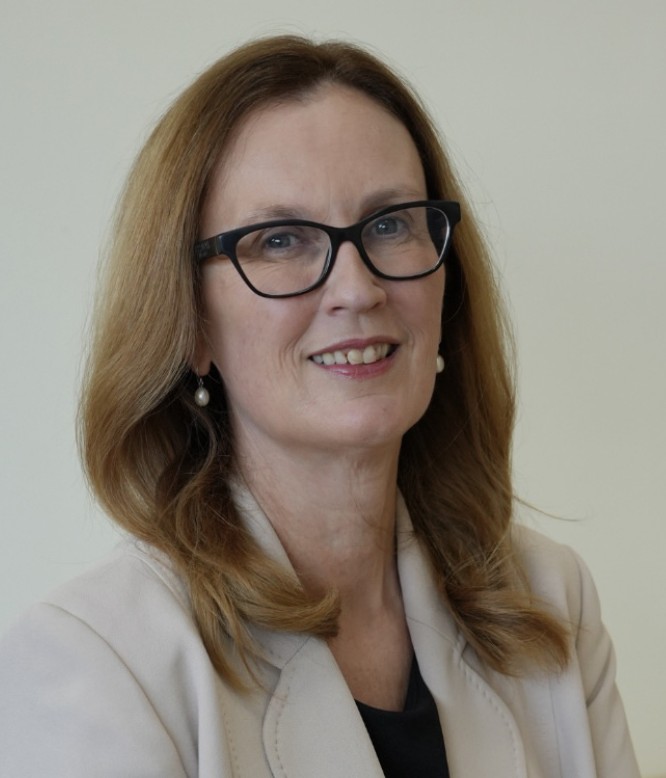
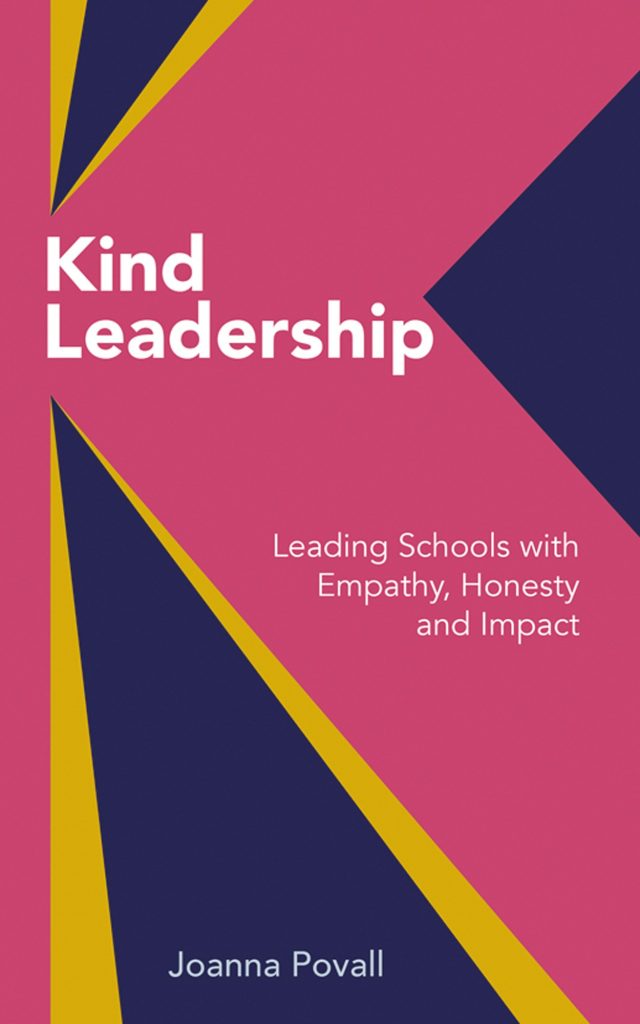
Joanna Povall is an experienced international teacher and the Principal of Wales International School in Abu Dhabi. She is the author of Kind Leadership, published by Crown House Publishing in 2026. Joanna was named TES International Principal of the Year in 2024 – 25.