
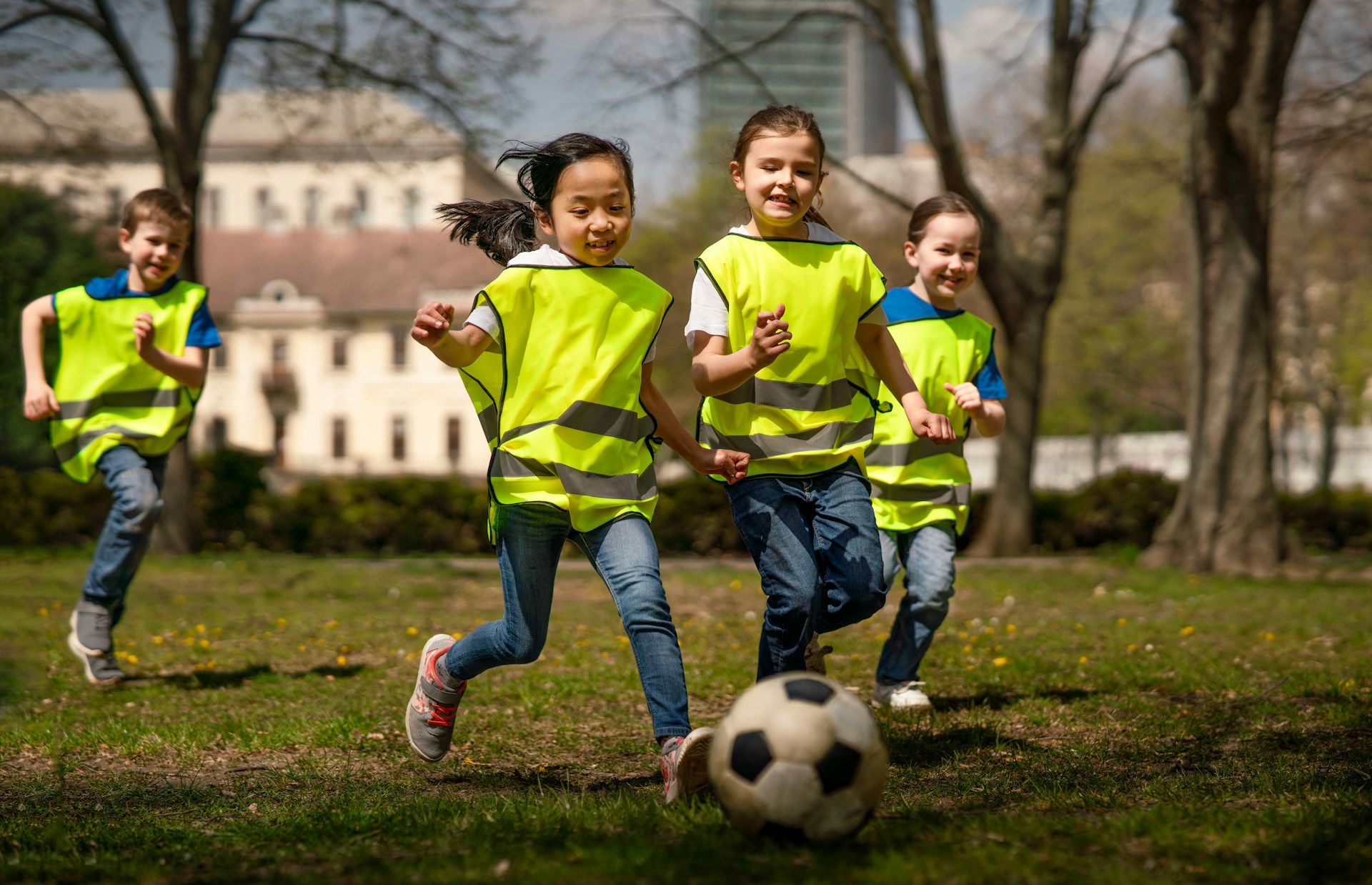
LEARNING TO MOVE, MOVING TO LEARN
Professor Helen Bilton places movement at the centre of so much that is important for learning in the Early Years – and beyond.
Enabling the physical development of young children is often seen in terms of ensuring children becoming independent and perform physical tasks effectively.
This is certainly one aspect of physical development that should be on our radar. Children do need to learn – and be taught – how to move as efficiently and effectively as they are able. But in moving they will also learn so much else, something that is often overlooked when considering physically development.
Effective physical development not only concerns learning to move but also moving to learn.
But first things first – learning to move.
Learning to move
In supervising optimum physical development attention is focused on the three key aspects of
- Growth, as the child gets bigger over time,
- Development, which refers to the change in the organisation and structure of the mind and its relationship with the body
- Maturity, as patterns of behaviour move towards adulthood
With careful teaching and guidance, children, whatever their individual physical needs, can fulfil their physical potential. With guidance, they also become keen to be as active and healthy as possible, a disposition which continues into adulthood. Therefore, paying careful attention to motor development, or the mechanics of movement while taking into account any constraints that might inhibit them is vital.
Three motor skills groups
Gross and fine motor skills can be categorised into three specific skill areas
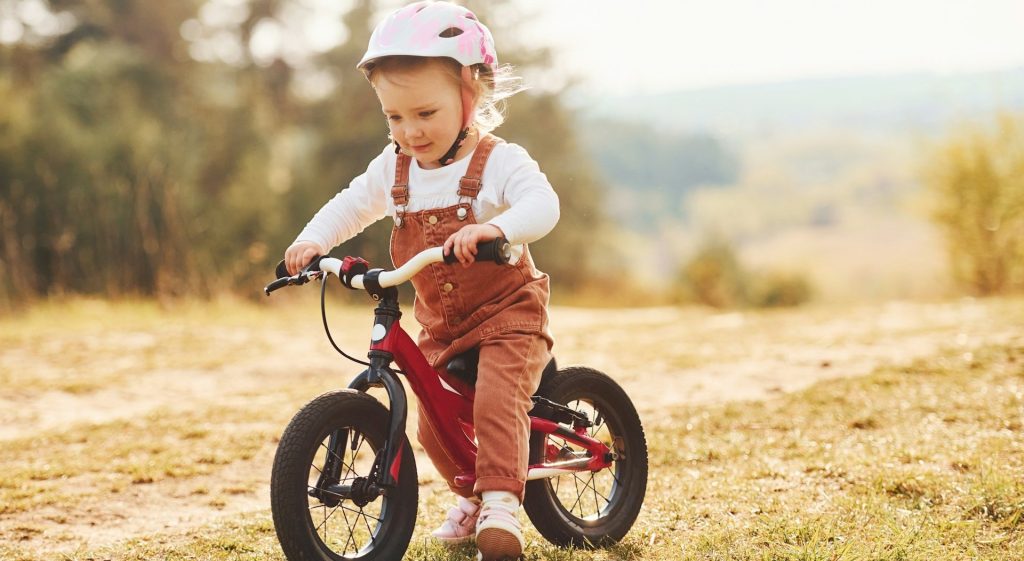
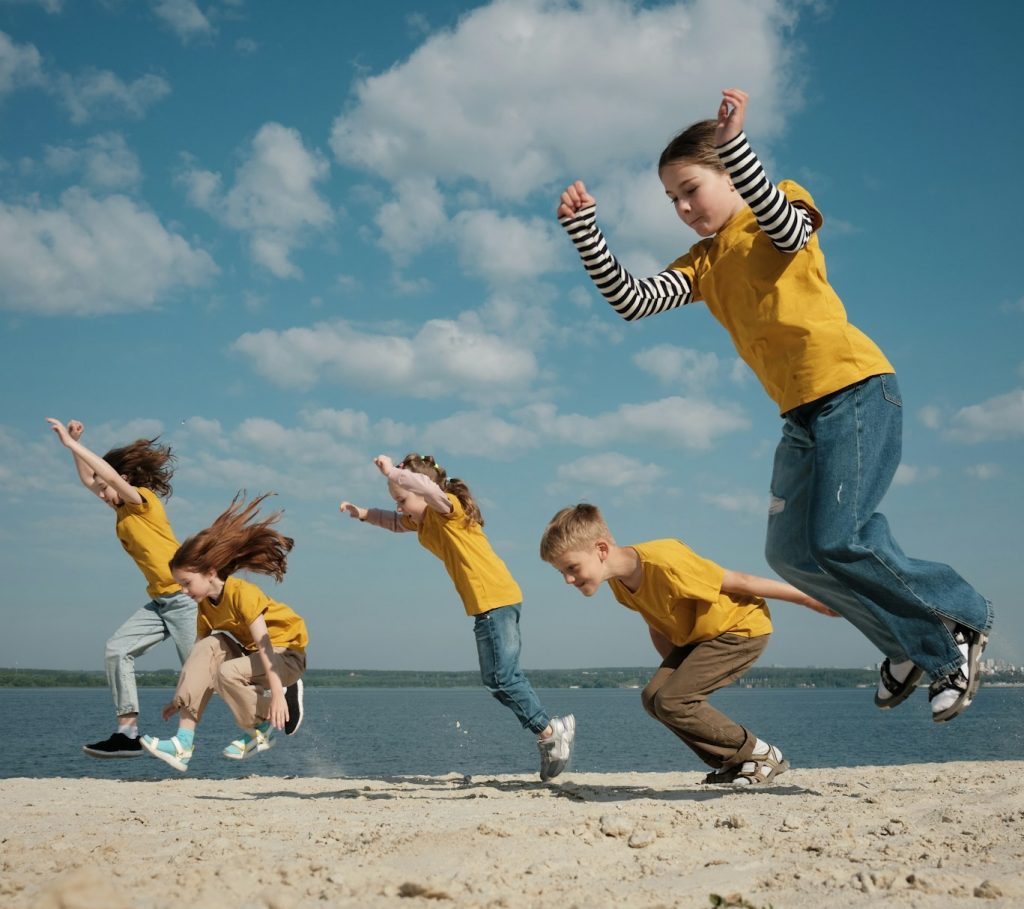
- Locomotor skills or how the body moves through the environment (walking, running, jumping, hopping, skipping, sliding, leaping, crawling, climbing, standing and sitting)
- Non-locomotor (bending, stretching, twisting, pivoting, swinging, rolling, landing, stopping, dodging, balancing and inverted support (holding oneself upside down).)
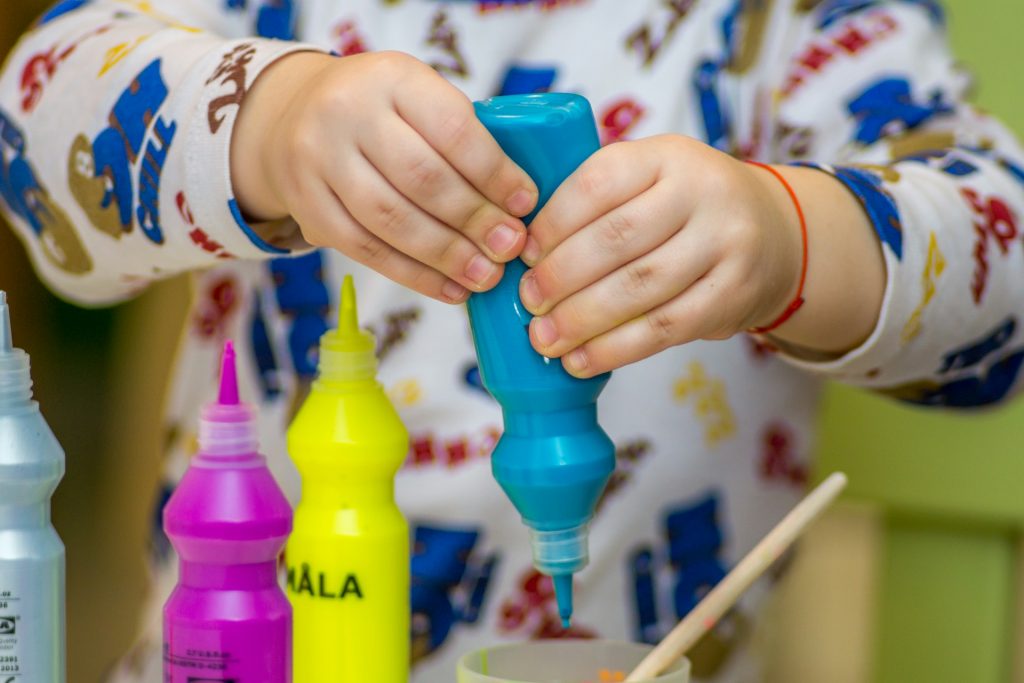
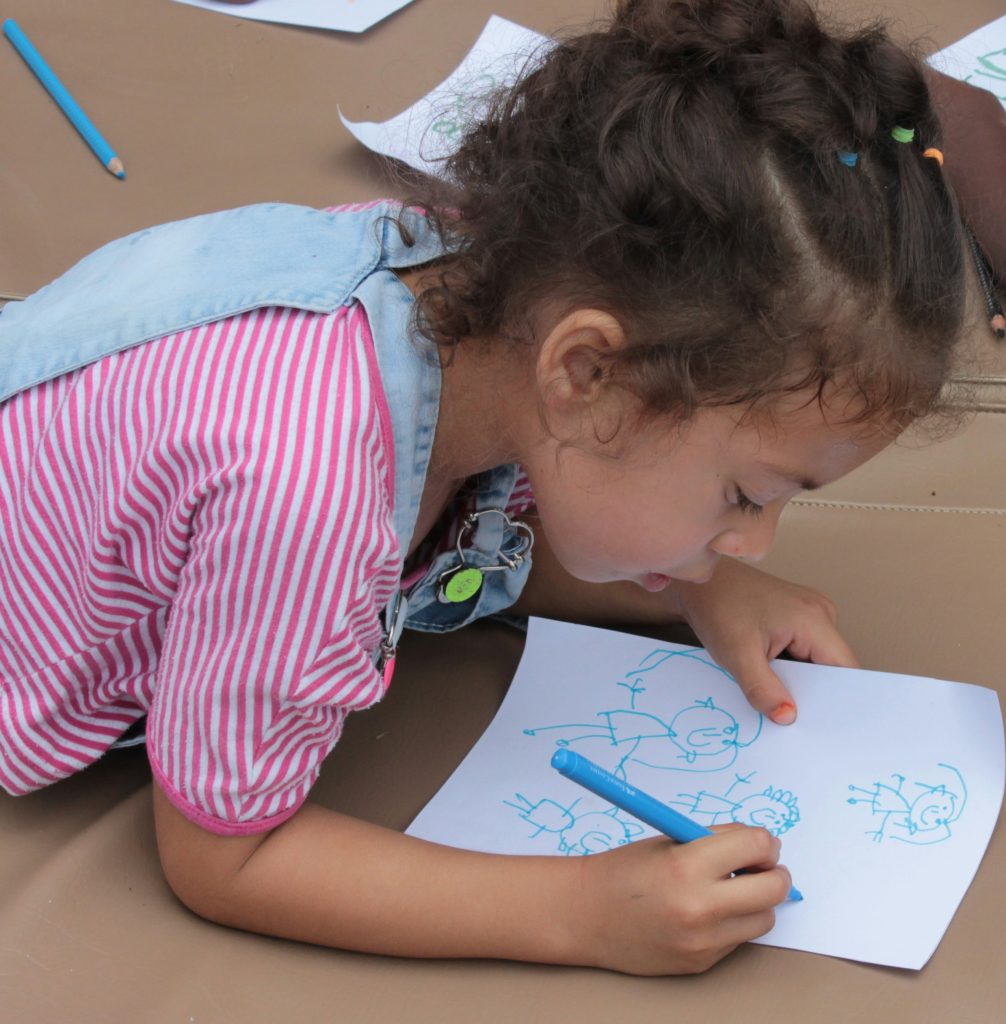
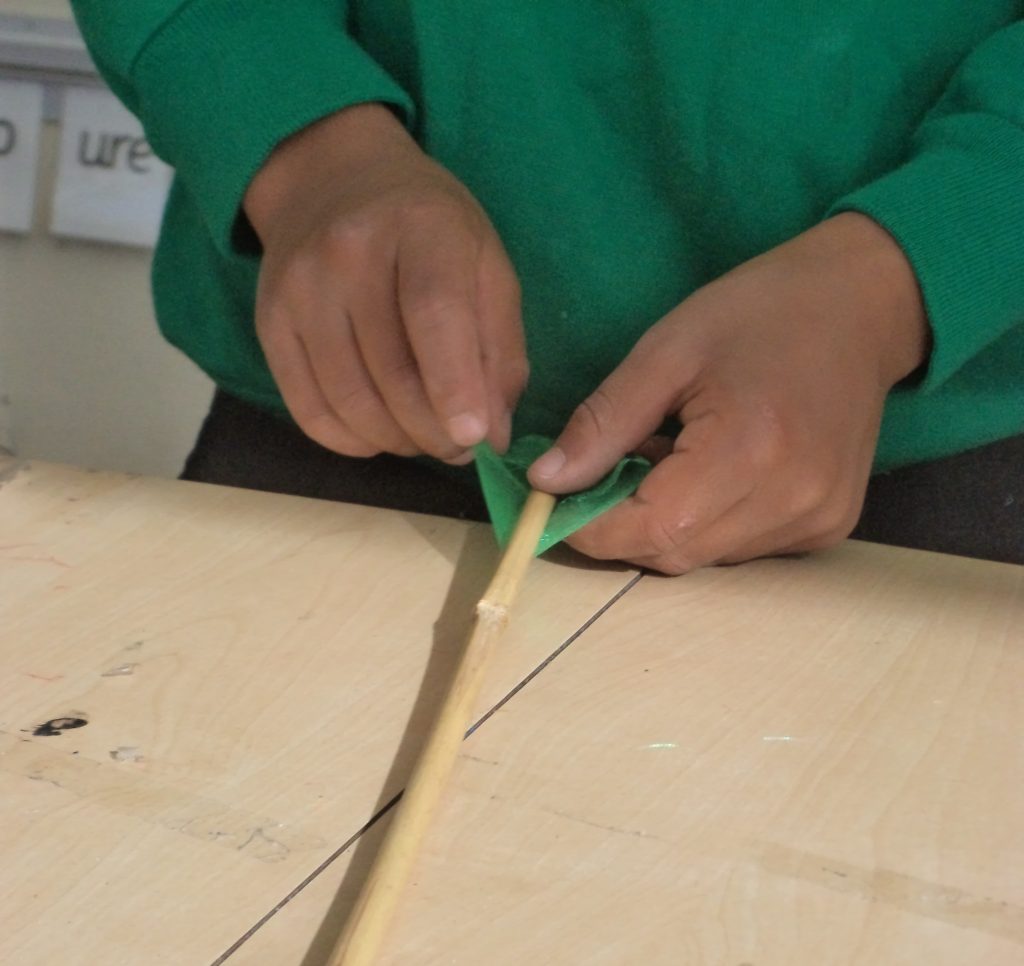
- Manipulative skills (imparting and receiving a force on/from objects – throwing, catching, kicking, trapping, striking, volleying, bouncing, rolling, pulling, pushing, punting (e.g.: drop kick in rugby), dribbling, grasping, reaching, gripping and holding (e.g.: sewing, cutting, typing, writing, drawing, painting).
In terms of learning to move we need to ensure children learn all 38 motor skills, to the best of their ability, whether or not we think they are going to be the next star of Wimbledon, and these skills must be taught. There can be a view that under sevens don’t really need to be taught motor skills. They do.
Moving to learn
Having been clear that the body needs to learn how to move as fully as it can, the second consideration for teachers is to appreciate that moving and developing physically enables other learning. Mind and body are inextricably linked. In the UK, Ofsted’s recent early years report (2024) argues that: “Children who are more physically active in the early years are better at regulating their emotions and achieve better in primary school” (Ofsted 2024)
For young children learning (whether it be emotional, social, linguistic or cognitive) through moving is absolutely critical to their development. Take, for example, a child building a line of crates and then standing at the end saying ‘isn’t that long?’ The child is taking the concept of length and making sense of it through the action of manoeuvring the crates. They feel to then understand.
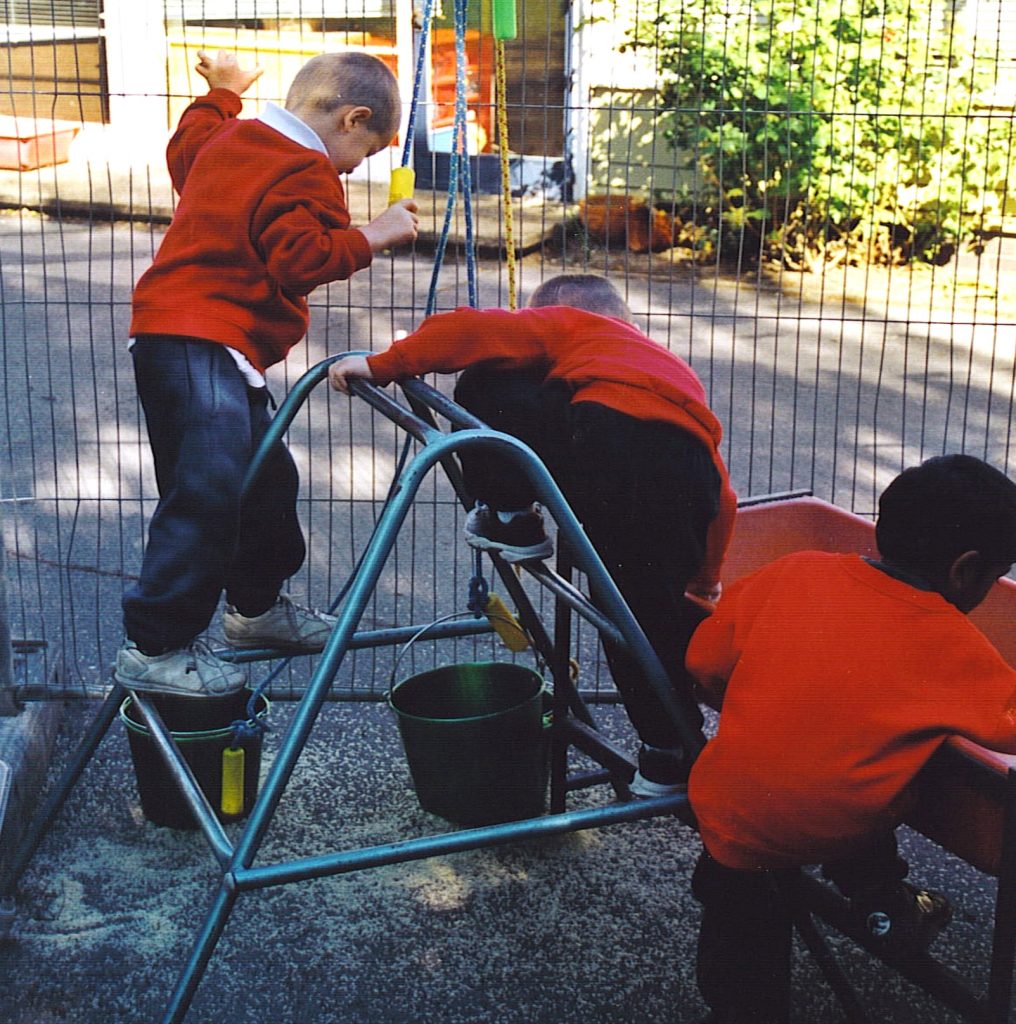
In this picture, we can see children learning about abstract concepts of length, dimension, weight, volume, capacity and fulcrums.
They have grit in the sand tray, the A frames are used for gaining height, and the children use the buckets attached to ropes to pull up a load.
The angle of pull and weight within the bucket, and how high you are will all impact the ability to carry out this activity. This is learning through movement about science and maths.
Movement and language development
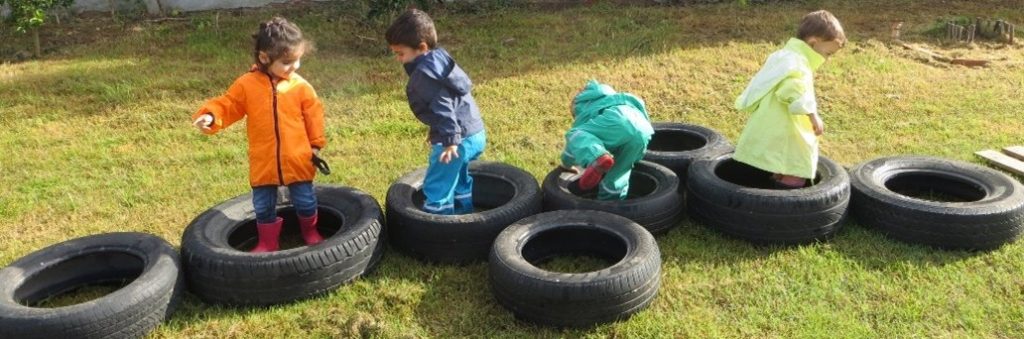
Similarly, learning language is enhanced when movement is involved. Prepositions are clear if you move to them. “In, out, under, over, through, between”, can be understood through doing those activities outside. Saying the words associated with moving are easily acted out and therefore understood.
Moving in more complex ways can also build language and develop vocabulary. Children may not at first understand beautiful new words like “shudder” and “judder” but as they are acted out, the child can feel the subtle difference between the two and then add two new words to their vocabulary. And we must never forget that by the age of two years the size of a child’s vocabulary will dictate their future.
Seize the power of physical development!
Ofsted has recently been critical of the understanding of physical development in the Early Years, especially with regard to babies and toddlers. I would argue this is true for older children too.
Therefore, whatever age group you teach, two messages seem clear:
- Be aware of the 38 motor skills and the stages and phases of physical development. Incorporate learning these skills into your teaching, whenever you can
- Take every opportunity to use movement as a way to ‘teach’ wider aspects of the curriculum wherever possible.

Dr. Helen Bilton is Emeritus Professor of Outdoor Education and Early Childhood at the University of Reading in the UK.
Helen’s new book Physical-Development-and-Outdoor-Learning-A-Practical-Guide-for-the-Early-Years was published by Routledge in July 2025. It is the first book in a new series Bringing Outdoor Learning to Life
Further reading:
Gallahue, D.L., Ozmun, J. & Goodway, J.D. (2012). Understanding motor development. Infants, children, adolescents, adults. (7th ed.). New York: McGraw-Hill.
Ofsted (2024)Research and analysis Best start in life part 2: the 3 prime areas of learning https://www.gov.uk/government/publications/best-start-in-life-a-research-review-for-early-years/best-start-in-life-part-2-the-3-prime-areas-of-learning Retrieved August 5 2025
Ofsted (2025) Getting it right from the start: how early years practitioners work with babies and toddlers https://www.gov.uk/government/publications/getting-it-right-from-the-start-how-early-years-practitioners-work-with-babies-and-toddlers/getting-it-right-from-the-start-how-early-years-practitioners-work-with-babies-and-toddlers Retrieved August 5 2025
FEATURE IMAGE: by Getty Images For Unsplash+
Support Images: Our thanks to Helen and to Getty Images For Unsplash+, Dragos Gontariu on Unsplash, Camila Franco on Unsplash, Andrej Lišakov For Unsplash+
